Applications
Banana fiber uses & pineapple fiber uses across nine industries
These are not novelty materials — they are engineering inputs with documented tensile strength, cellulose content, and fineness. Below, each use case gets its own photo story: the fiber and grade we recommend, the products it becomes, and the buyers who purchase it.
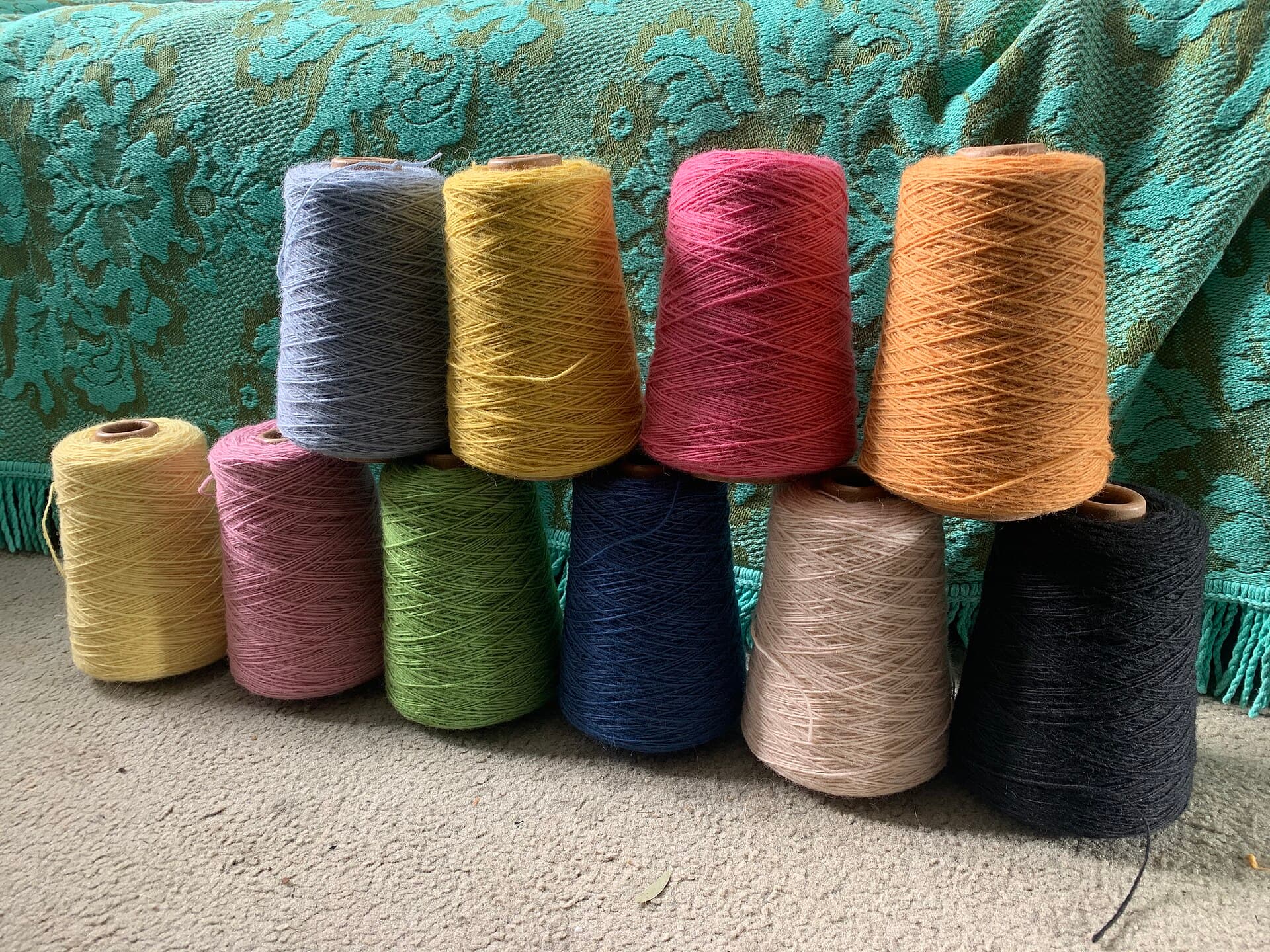
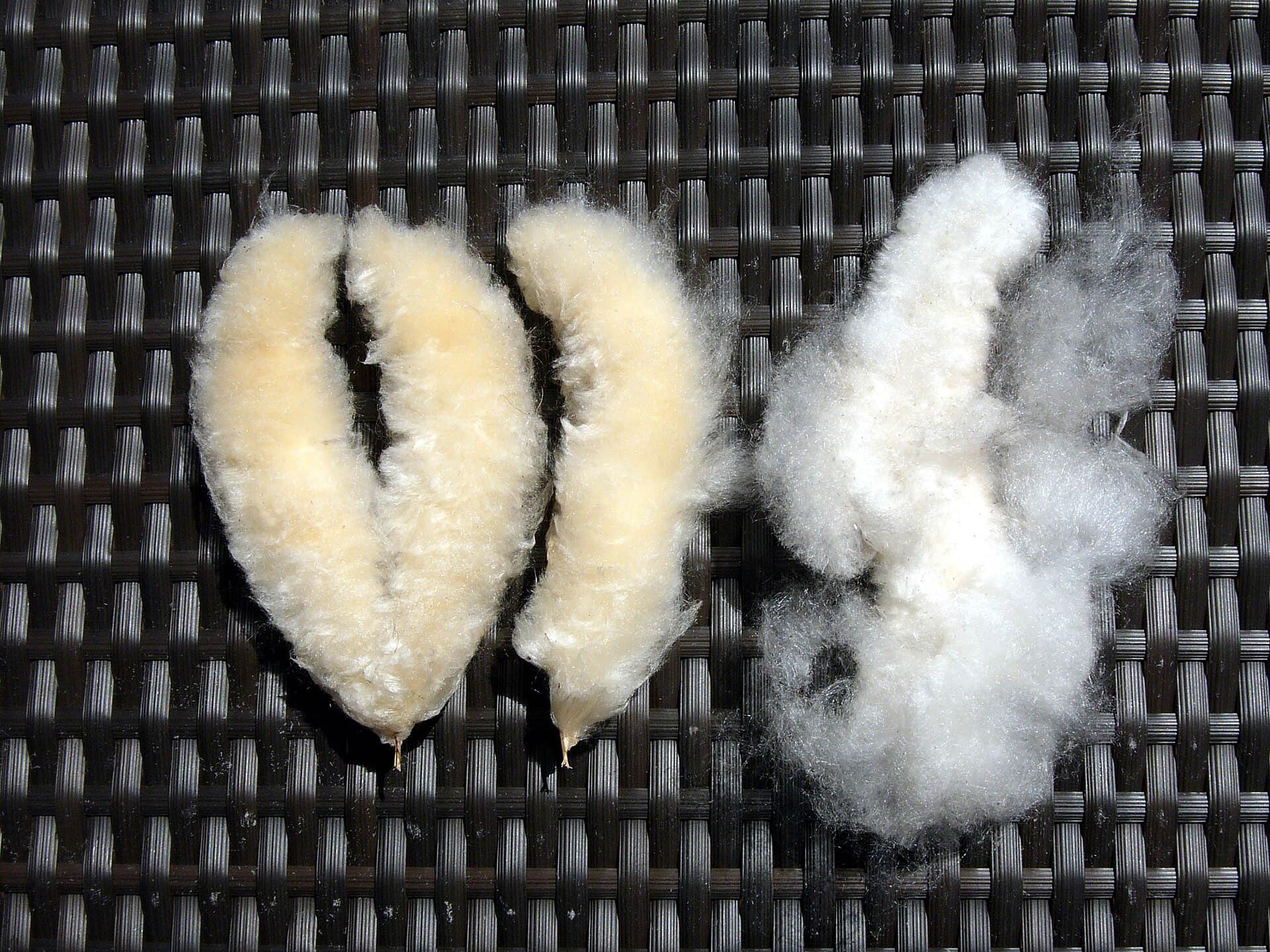
Inside our factory
Spinning frames running natural fiber blends at our factory.
From farm waste to yarn
Textiles & Spinning
Enzymatic cottonization converts long fiber into a 28–38 mm (banana) or 32–38 mm (pineapple) staple at 15–35 micron fineness that runs on conventional ring, rotor, and vortex frames. Blends at 10–40% with organic and recycled cotton, Tencel, and modal; pineapple spins up to 30s/40s Ne counts.
Silk-adjacent, fully plant-based
Apparel & Fashion
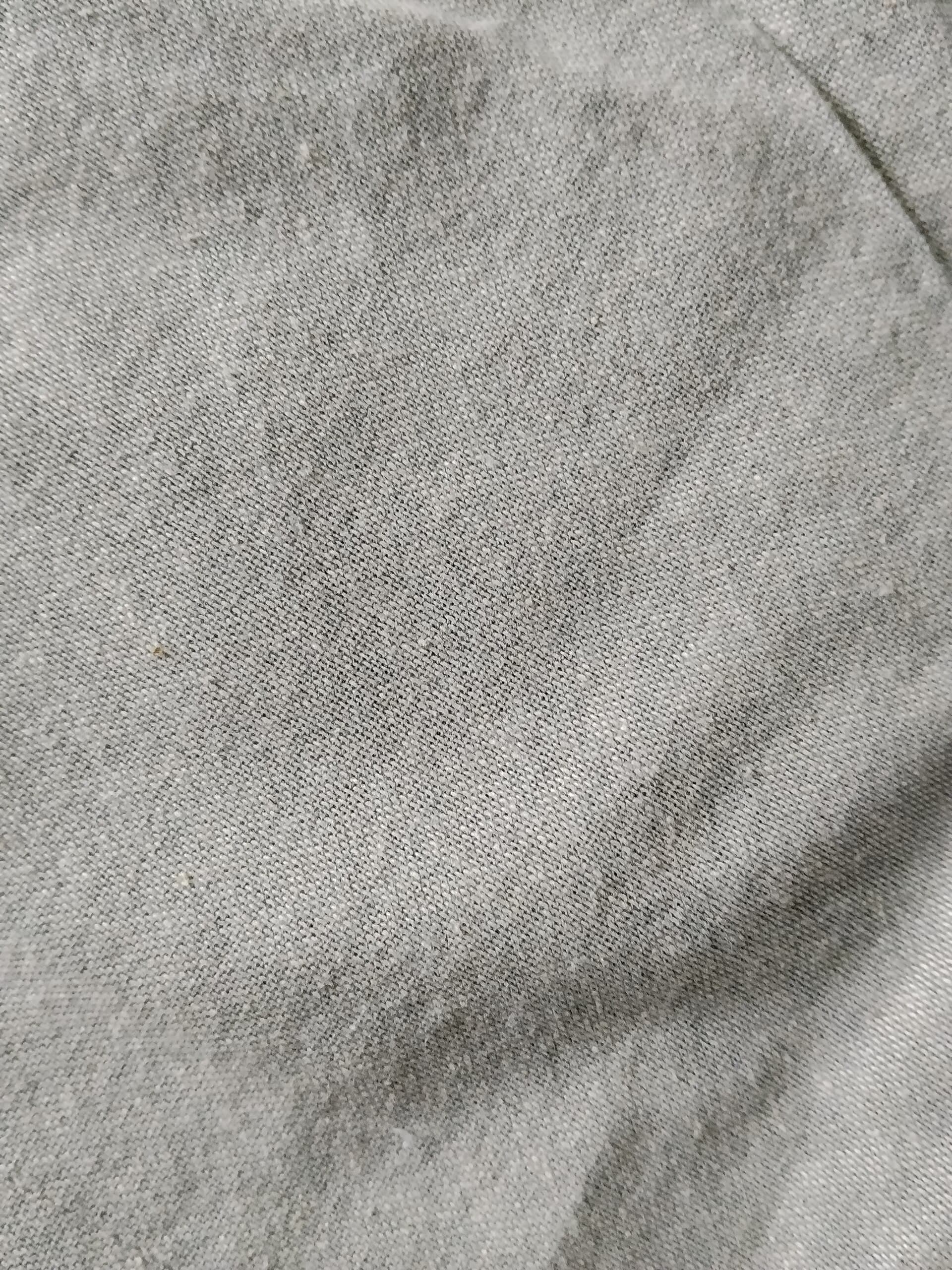
Fashion and modest-wear brands buy the story and the hand-feel: silky luster, cool breathability, and a fiber that biodegrades at end of life. Cottonized grades — 28–38 mm banana staple at 15–35 micron fineness — spin on conventional ring, rotor, and vortex frames and blend at 10–40% with organic and recycled cotton, Tencel, and modal. Modest wear and hijab lines value the drape and breathability; intimates and lingerie programs value the soft hand and the plant-based, plastic-free positioning.
Strength that lives with you
Home Textiles
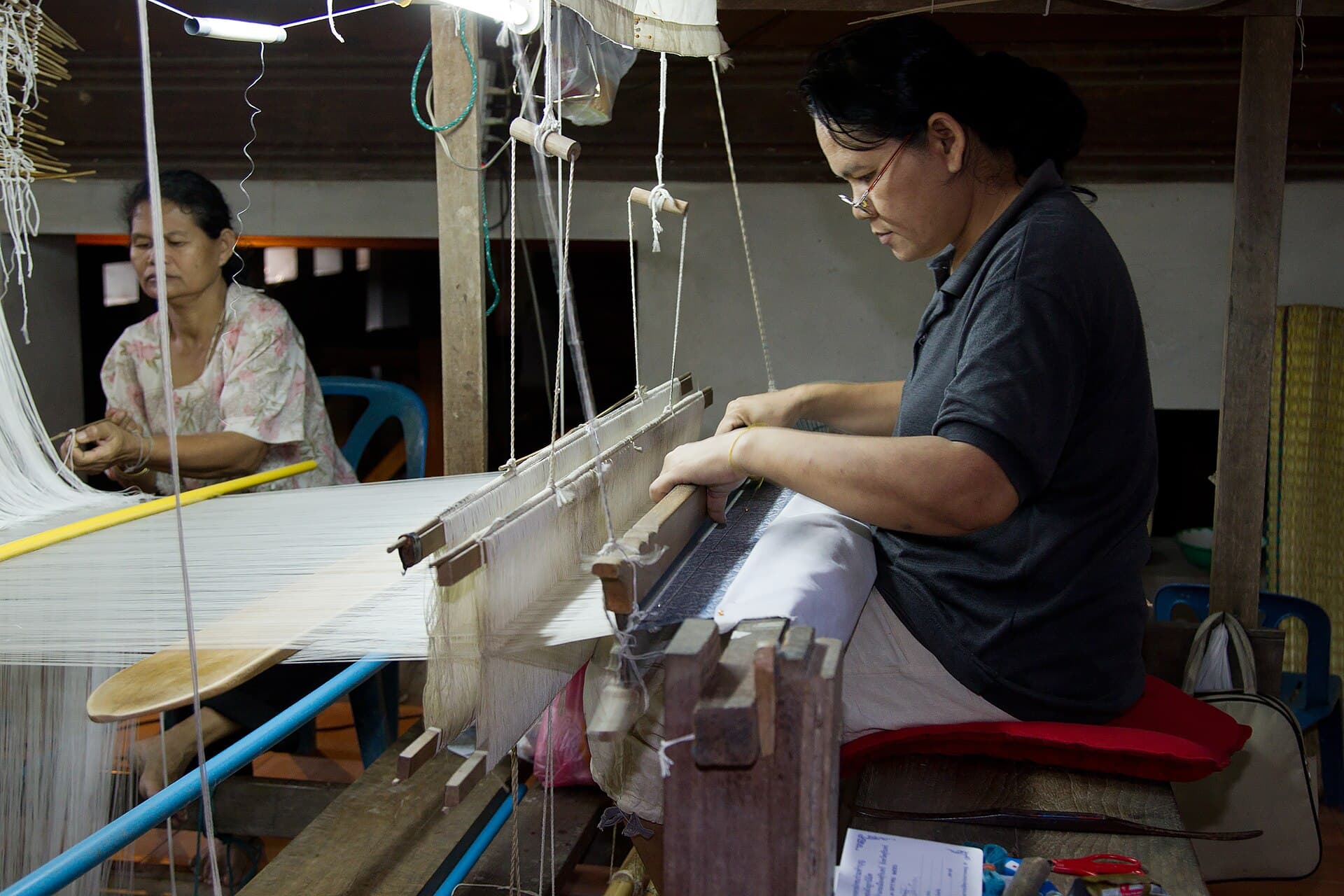
Home textile brands, contract furnishers, and interior studios buy banana and pineapple fiber for bedding, upholstery, curtains, and rugs: 500–900 MPa tensile strength for wear surfaces, a natural texture that dyes deep, and moisture handling from 10–12% regain. Woven as 100% specialty cloth or blended through our cottonized grades, it gives furnishings a tactile, plant-based story that survives daily use — not just the photoshoot.
The plant-based braid fiber
Hair Extensions & Braids
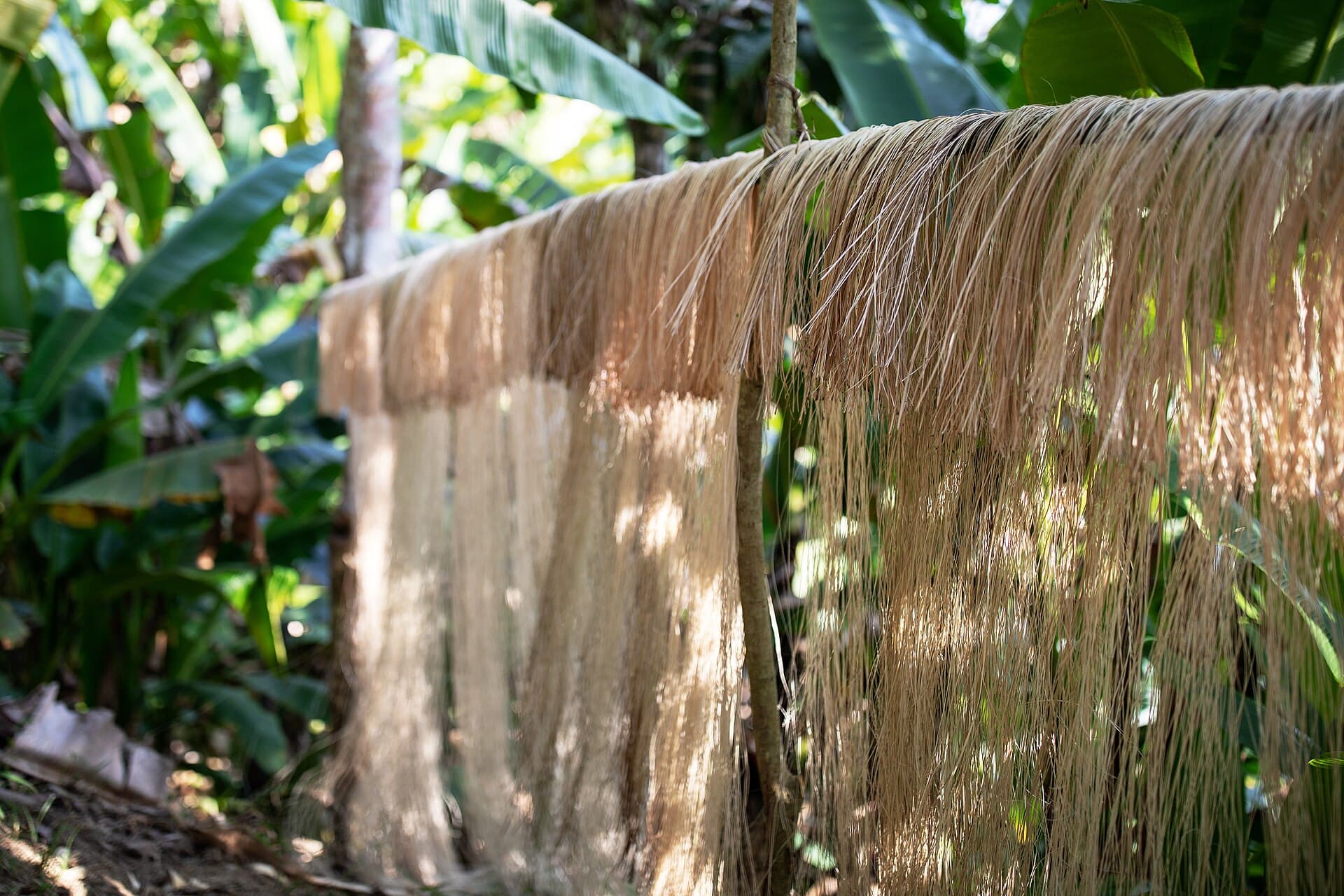
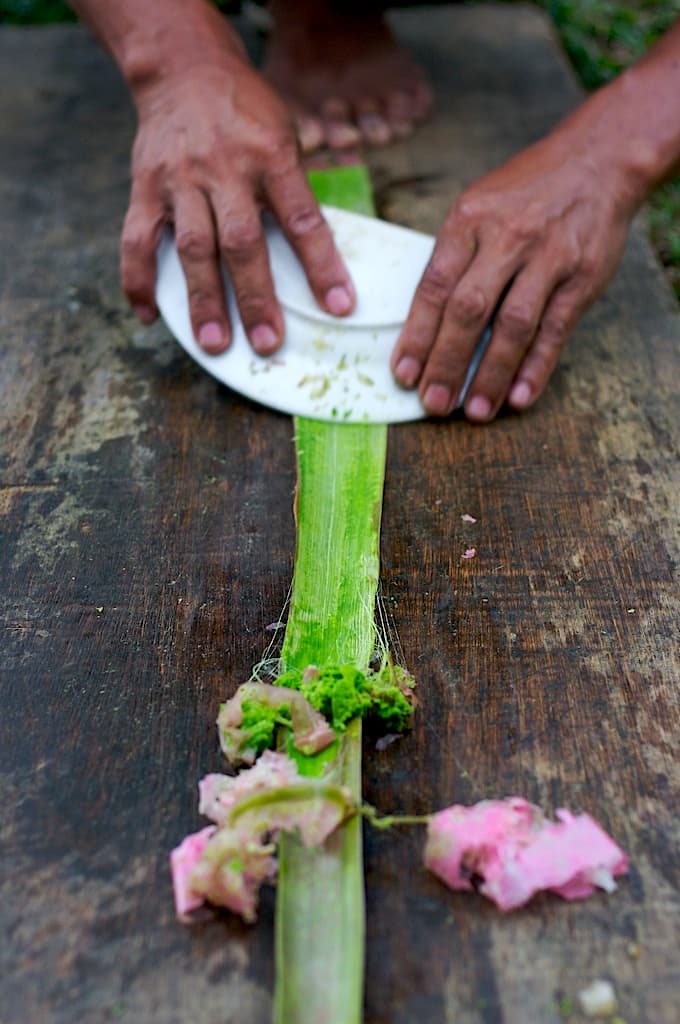
One of the fastest-rising niches we supply: hair brands, braid specialists, and beauty distributors use banana fiber's silk-like sheen and stiffness memory for braid extensions, twists, and wig wefts — it holds a set shape, takes dye, and weighs far less than synthetic kanekalon. For ethical and plant-based positioning it is unmatched: a biodegradable, animal-free fiber with a traceable farm-to-shelf story, with PALF as the finer, silvery option for premium lines.
Strength by the meter
Rope & Cordage
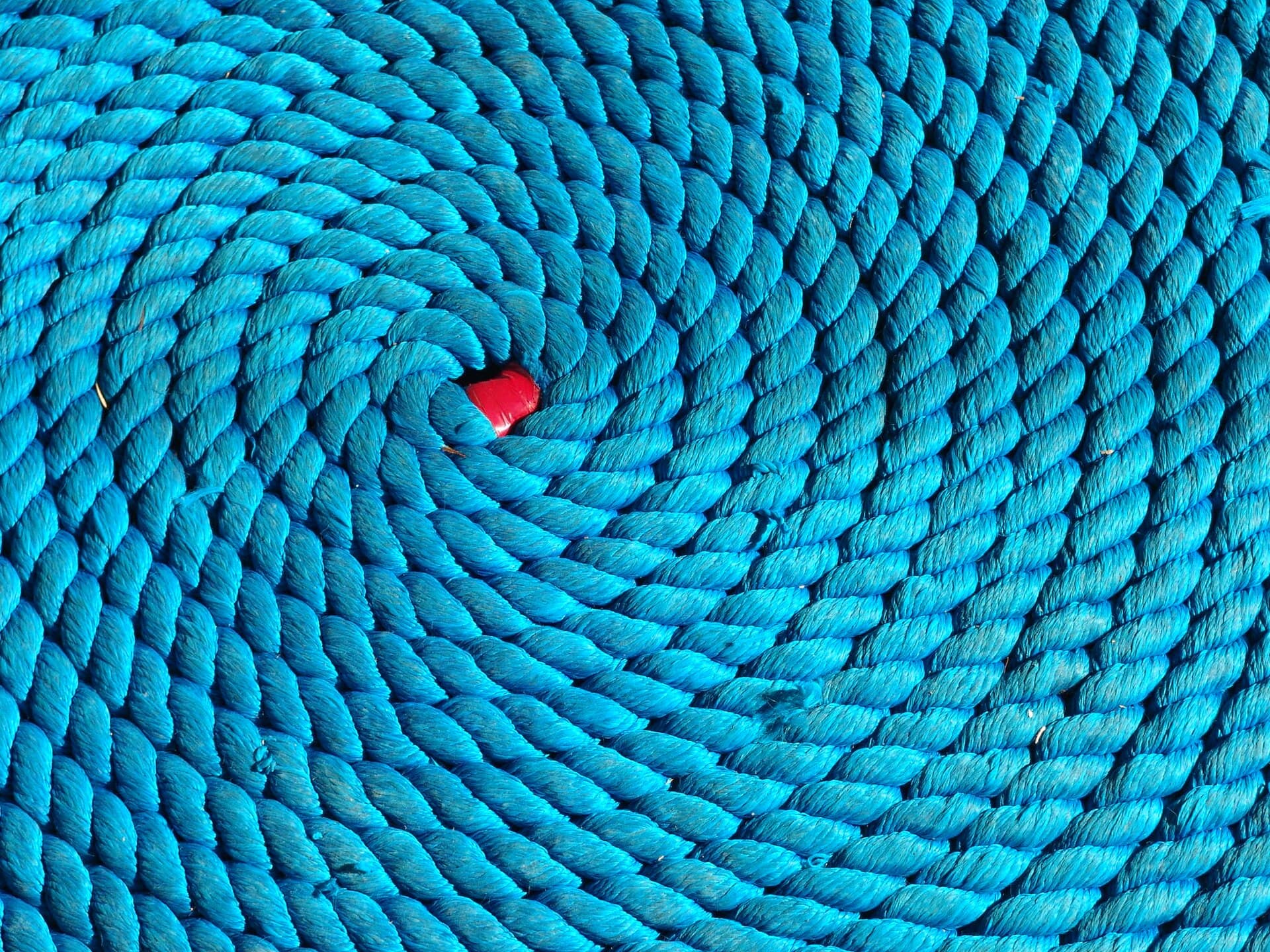
Long 1.0–3.0 m strands, 500–900 MPa tensile strength, 1–3% elongation, and natural rot resistance when treated make banana fiber a direct, lower-cost stand-in for abaca and sisal in twisted and braided products.
Texture you can feel
Paper & Handicraft
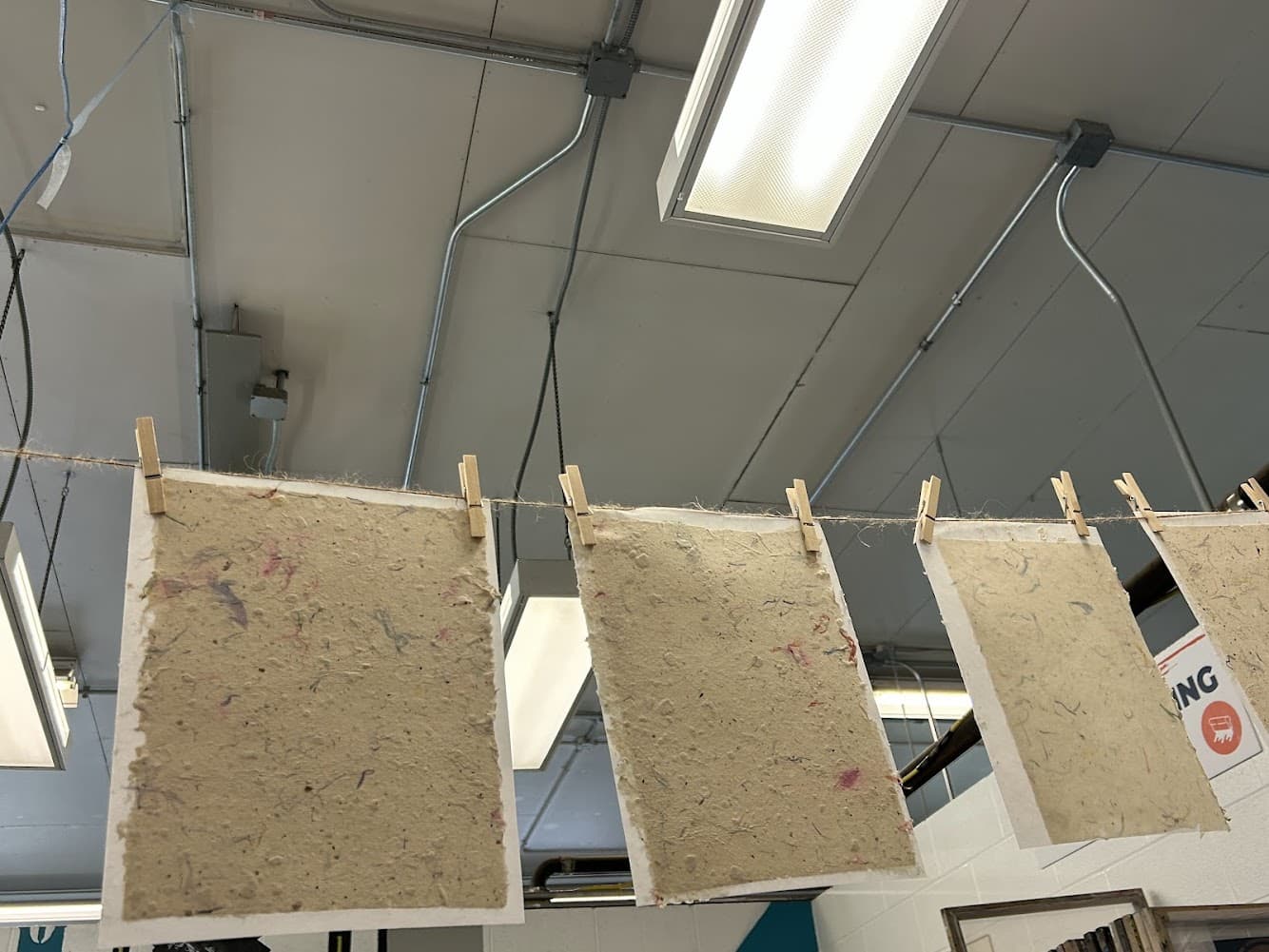
High cellulose — 70–82% in PALF — and long fibers create strong, tear-resistant sheets with natural texture: tea bags, filter papers, archival stocks, premium handmade paper, plus weaving, basketry, lampshades, and gift packaging in Craft grade.
Lightweight reinforcement
Composites & Automotive
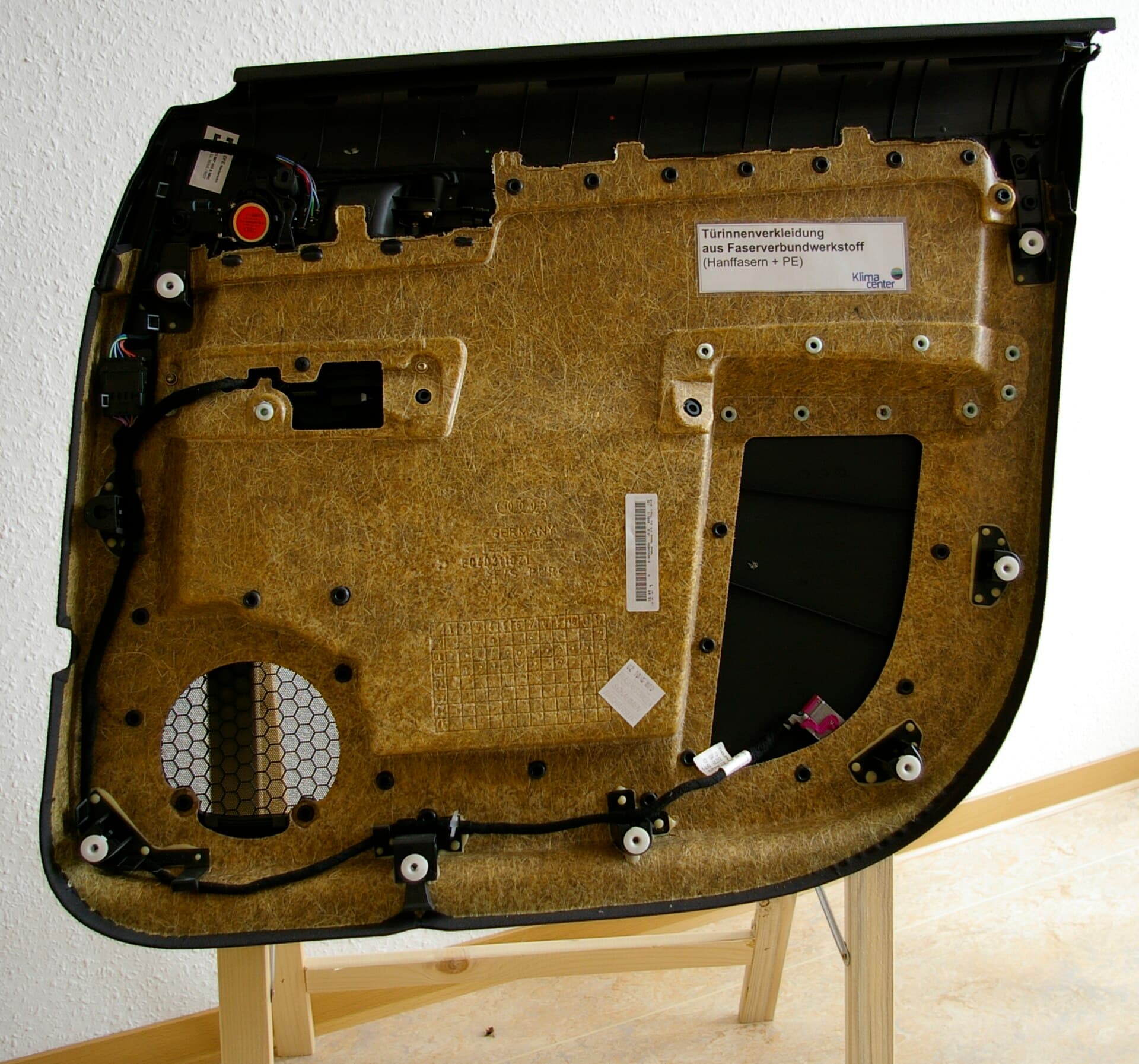
High specific strength at ~1.35 g/cc density and good fiber-matrix adhesion in PP, PLA, and epoxy systems suit chopped or mat reinforcement for automotive interior panels, construction boards, and consumer goods. PALF's silvery luster and 1.8–3.2 tex fineness are why it is the world's signature plant-leather substrate — the base that coated materials like Piñatex (a trademarked finished material, not raw fiber) are built on.
Quiet, natural performance
Home & Interior
The hollow, multi-cellular structure of both fibers traps air effectively, delivering natural sound absorption and thermal resistance at low density — processed into acoustic panels, loose fill, wipes, felts, and interlinings that bond mechanically without plastic binders.
Degrades where it lands
Agriculture & Geotextiles
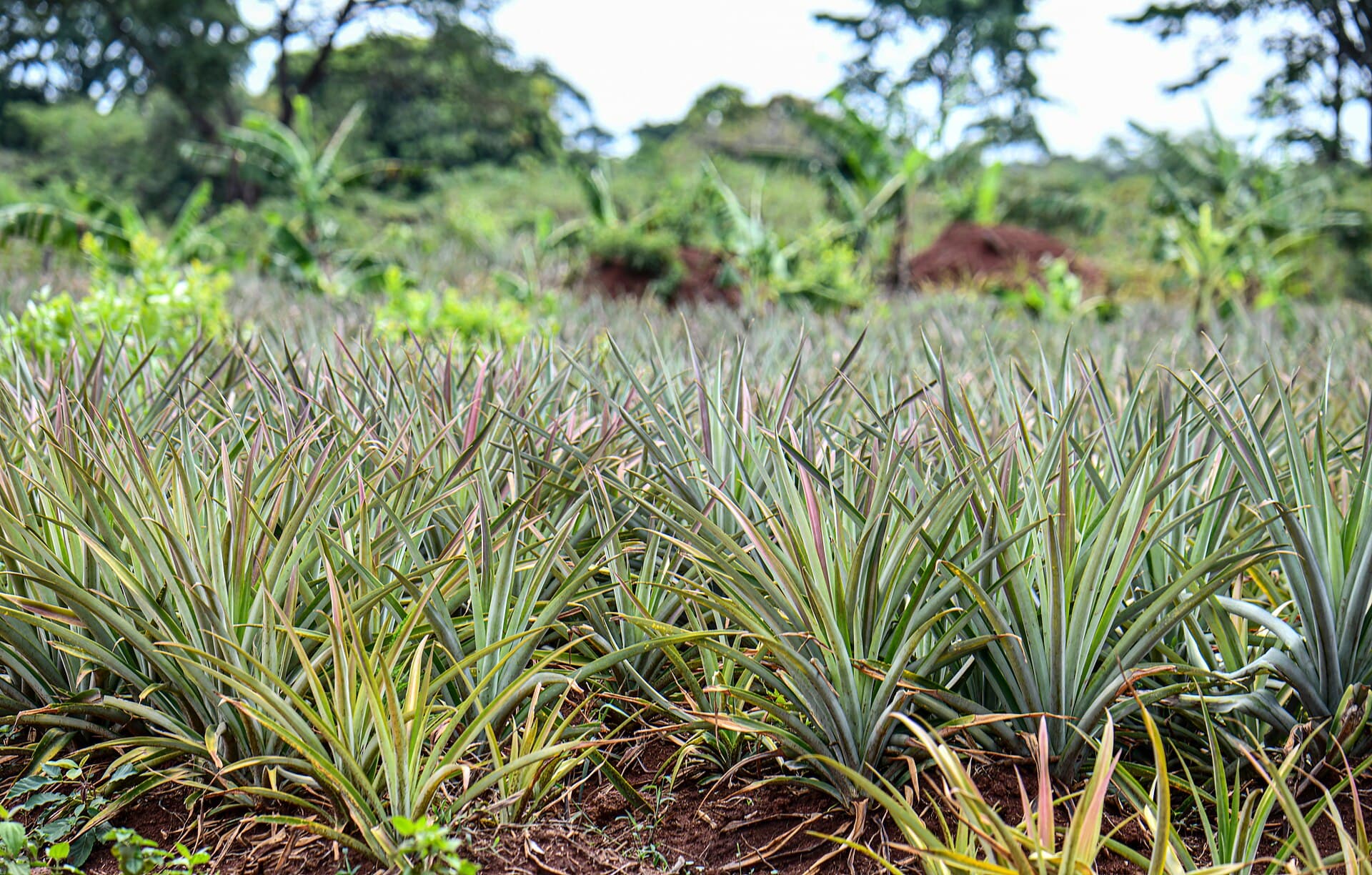
Fully biodegradable erosion-control meshes and soil blankets stabilize slopes during plant establishment, then decompose into the soil — no plastic retrieval, no microplastics. Compatible with carding and needle-punching for lasting non-woven geotextiles too.
Quick reference
Fiber → application fit at a glance
Match your process to the right fiber and grade before you request samples. Not sure? Tell us your application on the quote form and we will recommend.
Application to fiber mapping
- Apparel, modest wear & intimates
- Cottonized banana & cottonized pineapple
- Home textiles (bedding, upholstery)
- Banana fiber (Textile) & cottonized blends
- Hair extensions, braids & wig wefts
- Banana fiber (Textile); PALF for premium
- Rope & cordage
- Banana fiber (Industrial / Craft)
- Specialty & handmade paper
- Banana fiber & PALF (Craft)
- Non-woven fabrics
- PALF & banana fiber (Textile)
- Bio-composites (auto, boards)
- Banana fiber & PALF (Industrial)
- Vegan leather substrates
- PALF (Textile)
- Geotextiles
- Banana fiber (Industrial)
- Acoustic & thermal insulation
- PALF & banana fiber (Industrial)
- Handicrafts & premium packaging
- Banana fiber (Craft)
- Ring/rotor/vortex spinning
- Cottonized banana & cottonized pineapple
Compare the two fibers
Banana fiber wins on tensile strength (up to 900 MPa), length, and price. PALF wins on cellulose purity, luster, and fineness for surface-critical products. Our head-to-head guide covers properties, blends, and cost positioning.
Pineapple vs banana fiber guideChoosing the form
Raw or cottonized: which does your process need?
- Raw long fiber (1.0–3.0 m) is built for processes that consume length — rope twisting, wet-laid and handmade paper, needle-punched non-wovens, and long-fiber composite molding.
- Cottonized staple (28–38 mm) exists to walk straight onto ring, rotor, and vortex frames built for cotton.
- The most common sourcing mistake we see is ordering raw for a spinning frame, or cottonized for rope twisting. Describe your machine and end product rather than guessing the form — or order one sample of each. See the exact figures on the cottonized banana and cottonized pineapple pages.
Application support
We help you qualify the fiber, not just ship it
- Composite programs: fiber at the chop length and moisture spec your molding process requires, with the per-lot TDS your materials engineer will ask for.
- Spinning trials: recommended start blend ratios — 10–40% with organic or recycled cotton, Tencel, or modal — and the Ne counts our staples have proven at.
- Paper makers get guidance on refining energy and sheet formation; rope makers on twist levels and treatment options.
- Whatever your application, your quotation includes a short application note written by the team that runs the mill — not a generic product brochure.
Prove it yourself
How to test our fiber in your process
Every application above starts the same way: a 0.5–3 kg sample by international courier, with the per-lot technical data sheet for the batch it came from. Run it on your frames, in your beater, or in your composite layup — then order from 200 kg with confidence in what arrives. Read how the sampling and import workflow works in our importing guide or go straight to our wholesale terms.
Ready to source?
Get a written quotation within 24 hours
Tell us your grade, quantity, and destination. We reply with specs, indicative pricing, and a sample plan — MOQ from 200 kg, samples from 0.5 kg.