10–20%
Entry blends
Best for: shirting and knitwear lines
A subtle natural-fiber story with minimal process adjustment — a sustainability claim without changing handle or dye behavior.
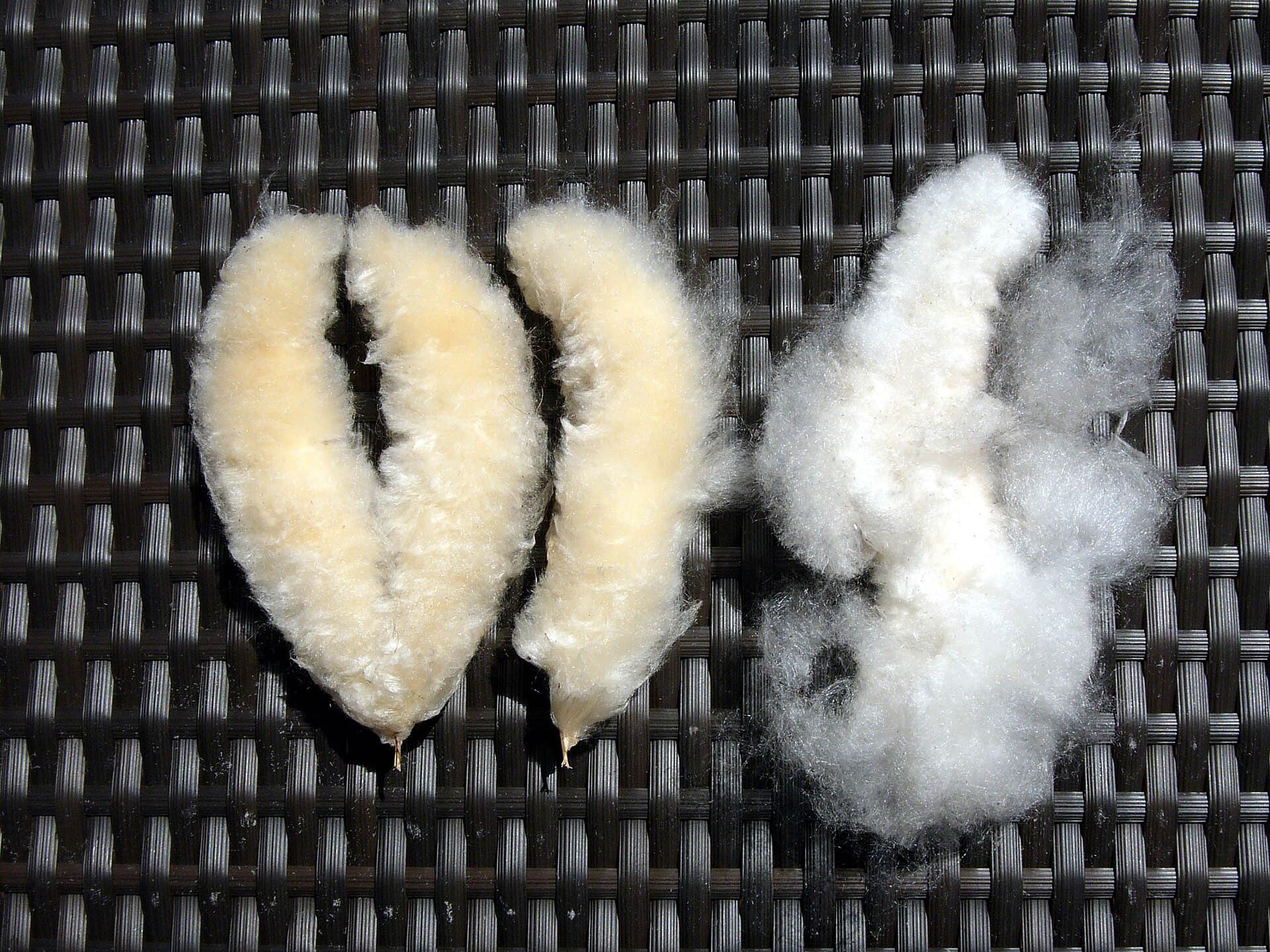
Technical Material — HS 5305
A 28–38 mm cotton-like staple that runs on your existing ring, rotor, and vortex frames — banana fiber's strength and luster, chemical-free.
The Material
Mills want banana fiber's story and properties — but not a bast-fiber spinning line they do not own. Enzymatic cottonization closes that gap.
At a Glance
Production specs from our factory in Modhupur, Tangail. Full spinning-parameter guidance ships with every TDS, and per-lot lab reports (tensile, chemical safety) are standard.
The parent fiber is raw banana stem fiber — processed at our factory in Modhupur, Tangail. If a lot misses the fineness or staple window, it is held at the factory — it does not ship.
Inside Our Factory
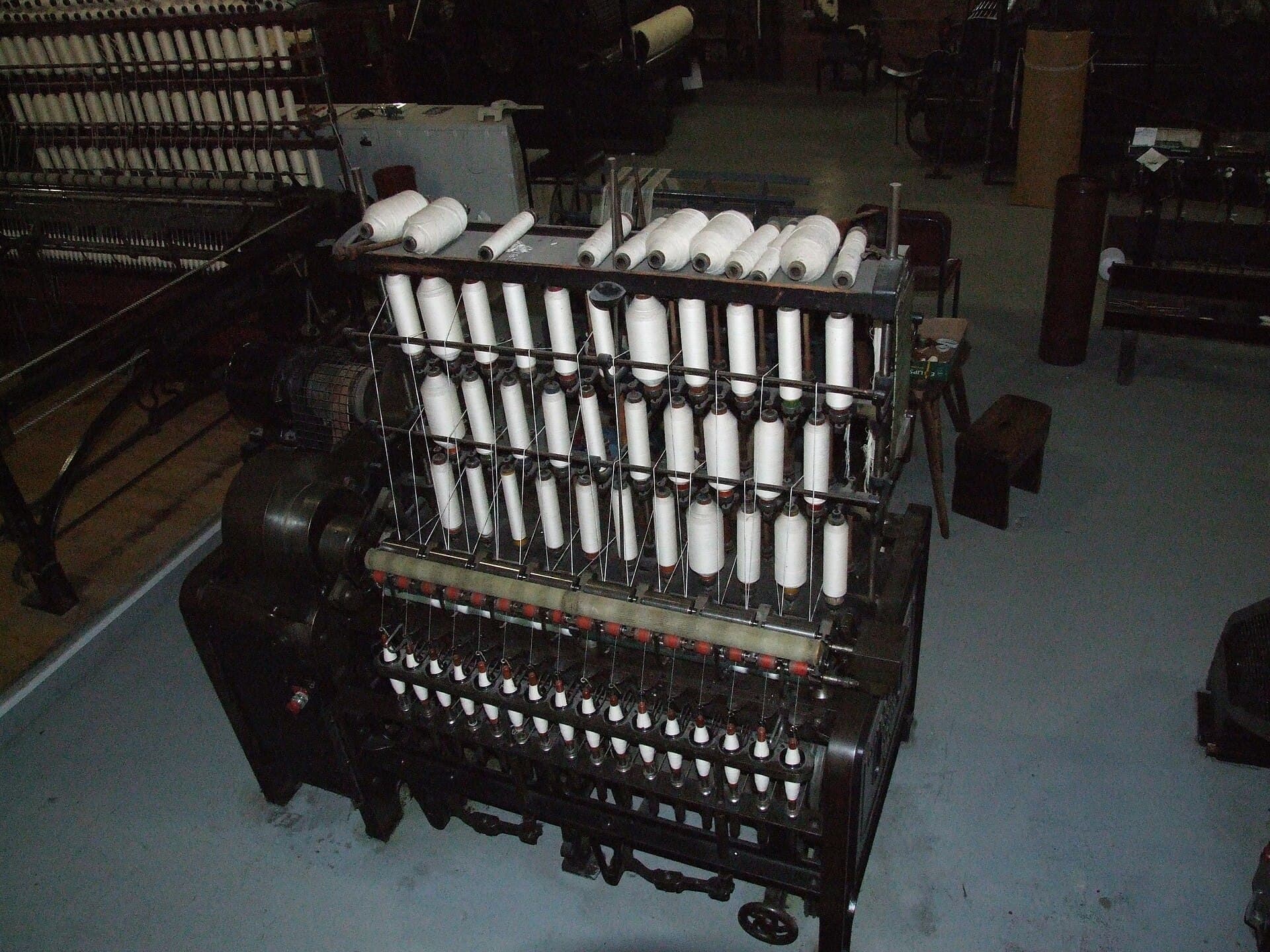
The staple window overlaps cotton, so most mills integrate it through existing blowroom and carding lines with minor adjustments — then fine-tune during the trial lot we recommend before program volumes.
Blend Programs
Three working bands cover most commercial yarn programs. Each is a starting point — trial lots refine the ratio for your equipment, count targets, and hand feel.
10–20%
Best for: shirting and knitwear lines
A subtle natural-fiber story with minimal process adjustment — a sustainability claim without changing handle or dye behavior.
20–30%
Best for: most commercial yarn programs
The sweet spot most spinner partners run: measurable banana content, a drier hand, better moisture management, below pure-organic cost.
30–40%
Best for: denim and statement fabrics
Where the banana character — luster, stiffness, strength — is the selling point, typically blended with organic or recycled cotton.
Partner fibers include organic cotton, recycled cotton, Tencel, and modal. Tell us your target yarn count and end use, and we will recommend a starting ratio and send trial material.
Spinning Compatibility
The most common question from mills is whether cottonized banana fiber demands new equipment. It does not.
Best for: premium counts and yarn quality
The reference system. The 28–38 mm staple drafts cleanly within cotton-style settings for the strongest, finest counts.
Best for: denim and coarse knit programs
Tolerates the fiber's natural stiffness well and converts it into low-hairiness, abrasion-ready yarns.
Best for: knitwear and shirting blends
Handles strength and low elongation (1–3%) effectively, producing compact, pill-resistant yarns.
Production Process
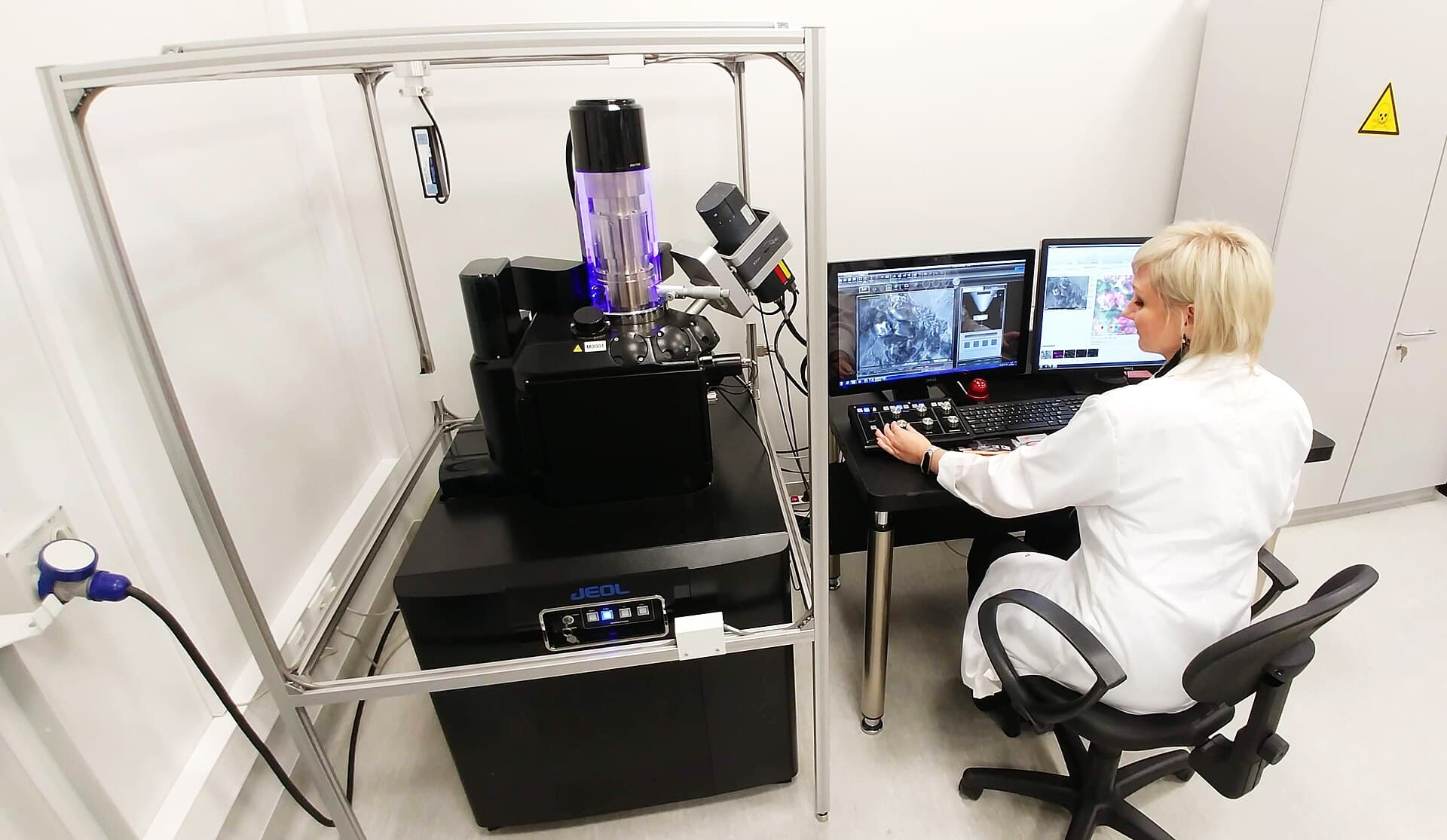
Batches are moisture-controlled to 10–12% regain, sampled per lot, and tested at an ISO/IEC 17025 accredited laboratory (Hohenstein) before export.
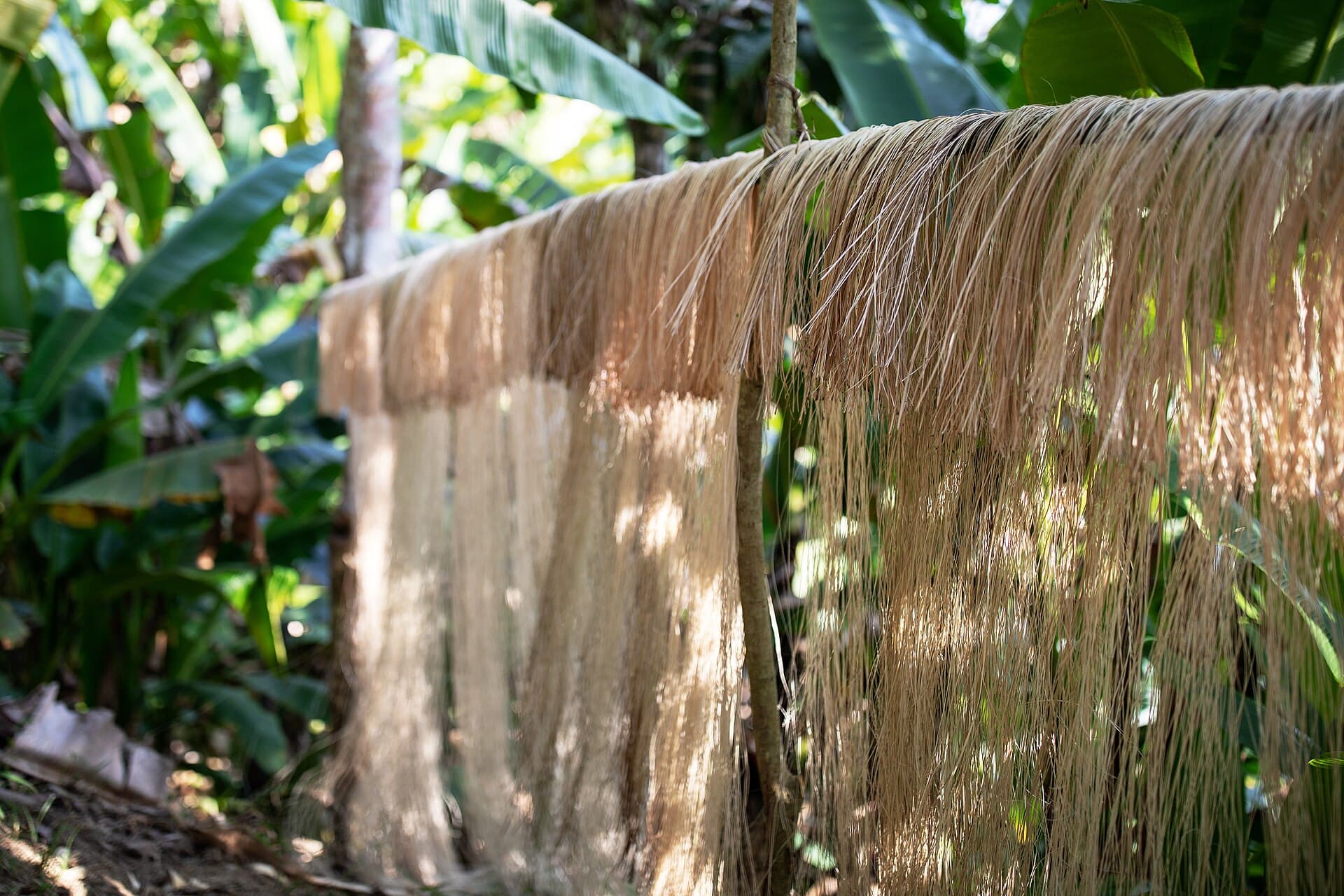
Our starting point is raw banana stem fiber — 1.0–3.0 m strands with a lab-tested 500–900 MPa tensile range, washed without chemicals.
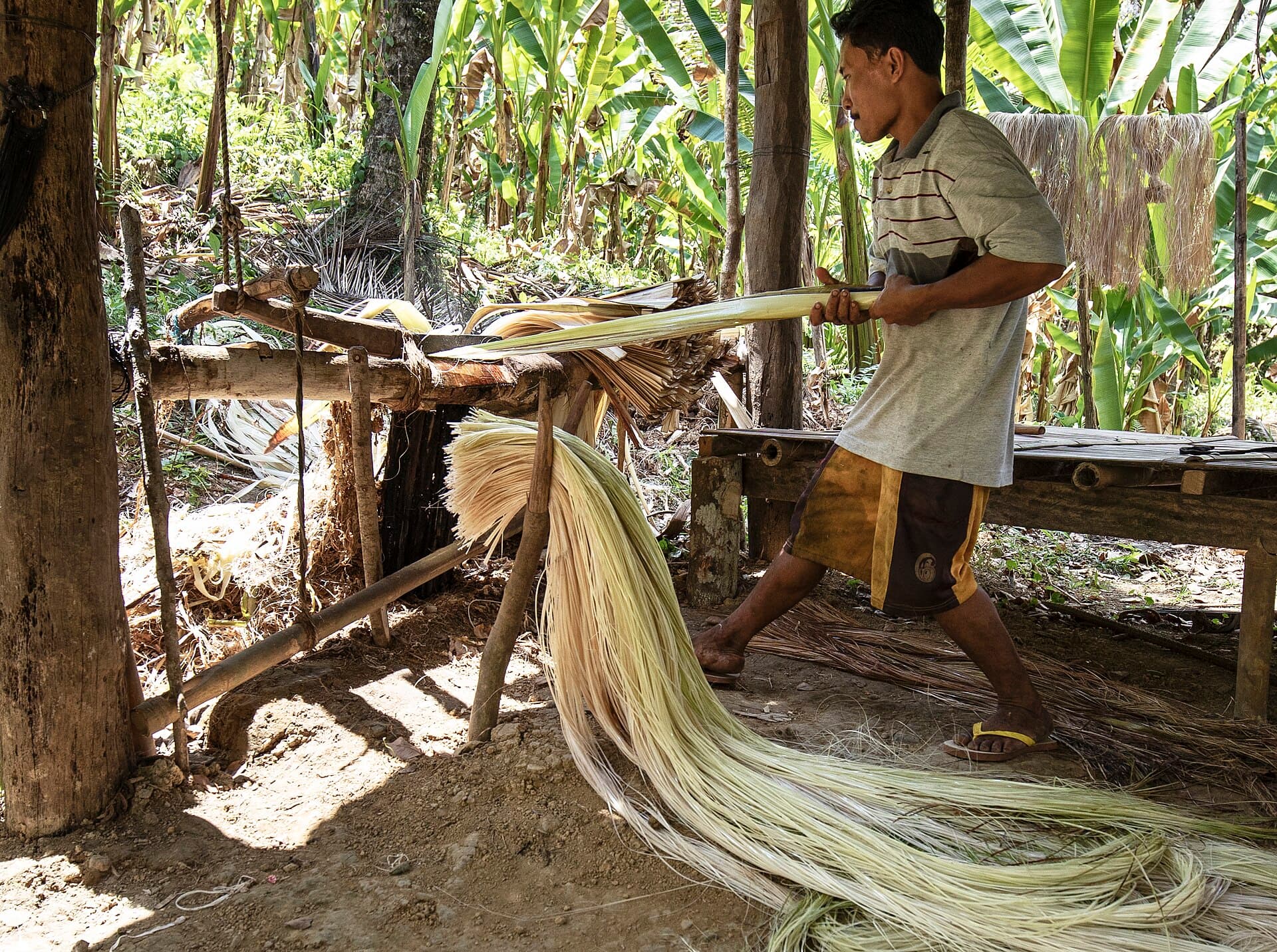
The long bast strands are opened and shortened mechanically, preparing them for the enzymatic stage.
An enzymatic, chemical-free process — enzymes, water, and mechanical action only — converts the strands into a 28–38 mm, 15–35 micron cotton-like staple.
The staple runs on ring, rotor, and vortex frames with parameters close to comparable cotton blends — draft settings ship with every TDS.
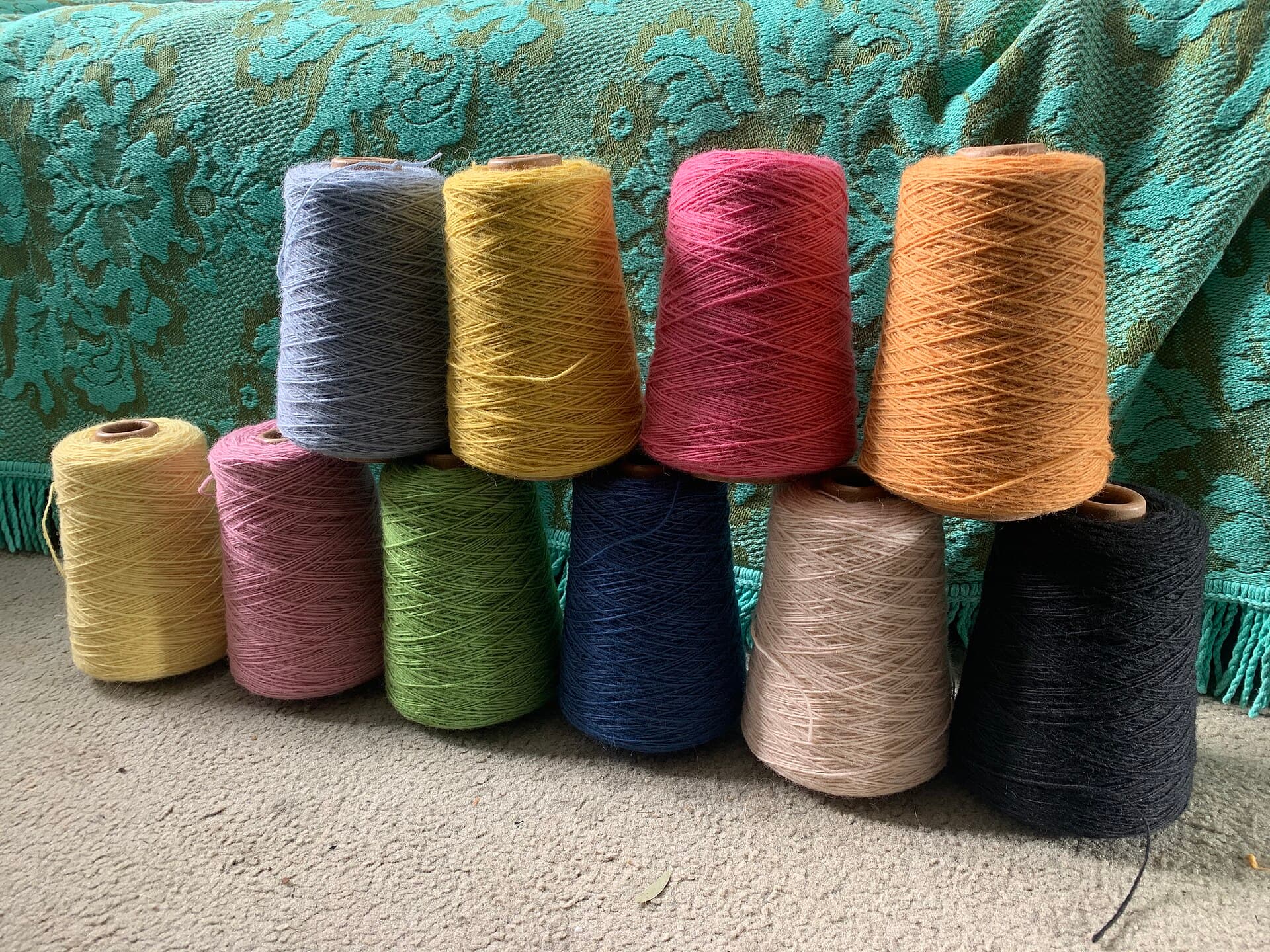
The output: denim, shirting, and knitwear yarns with banana's strength and luster and a verifiable natural-fiber story.
The farm-to-fiber backstory of the parent material is on our process page.
Use Cases
Three proven channels, each with a different reason to blend banana into the mix.
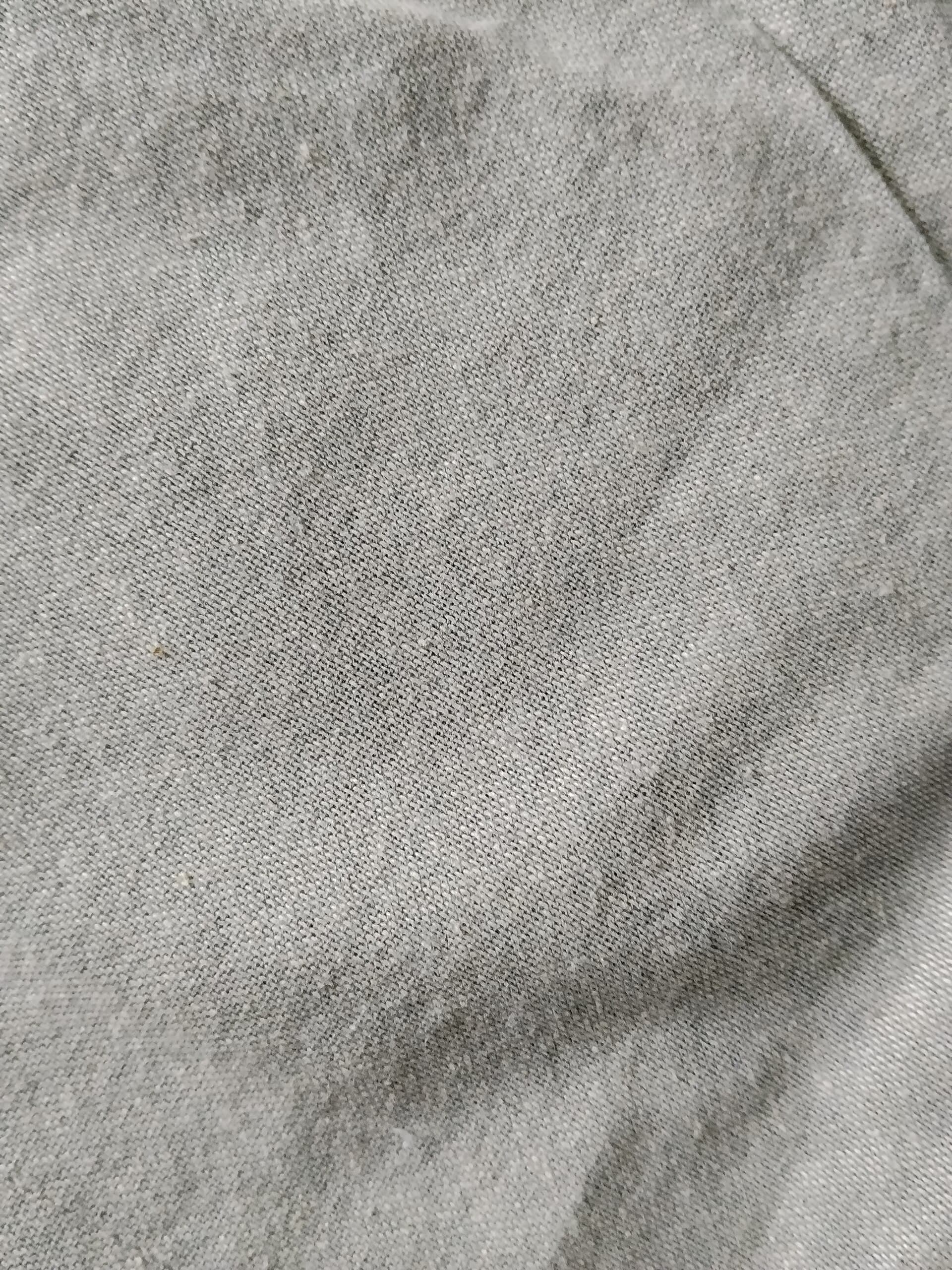
30–40% blends give denim a stiffer hand, faster fading character, and a fiber story that survives marketing review.
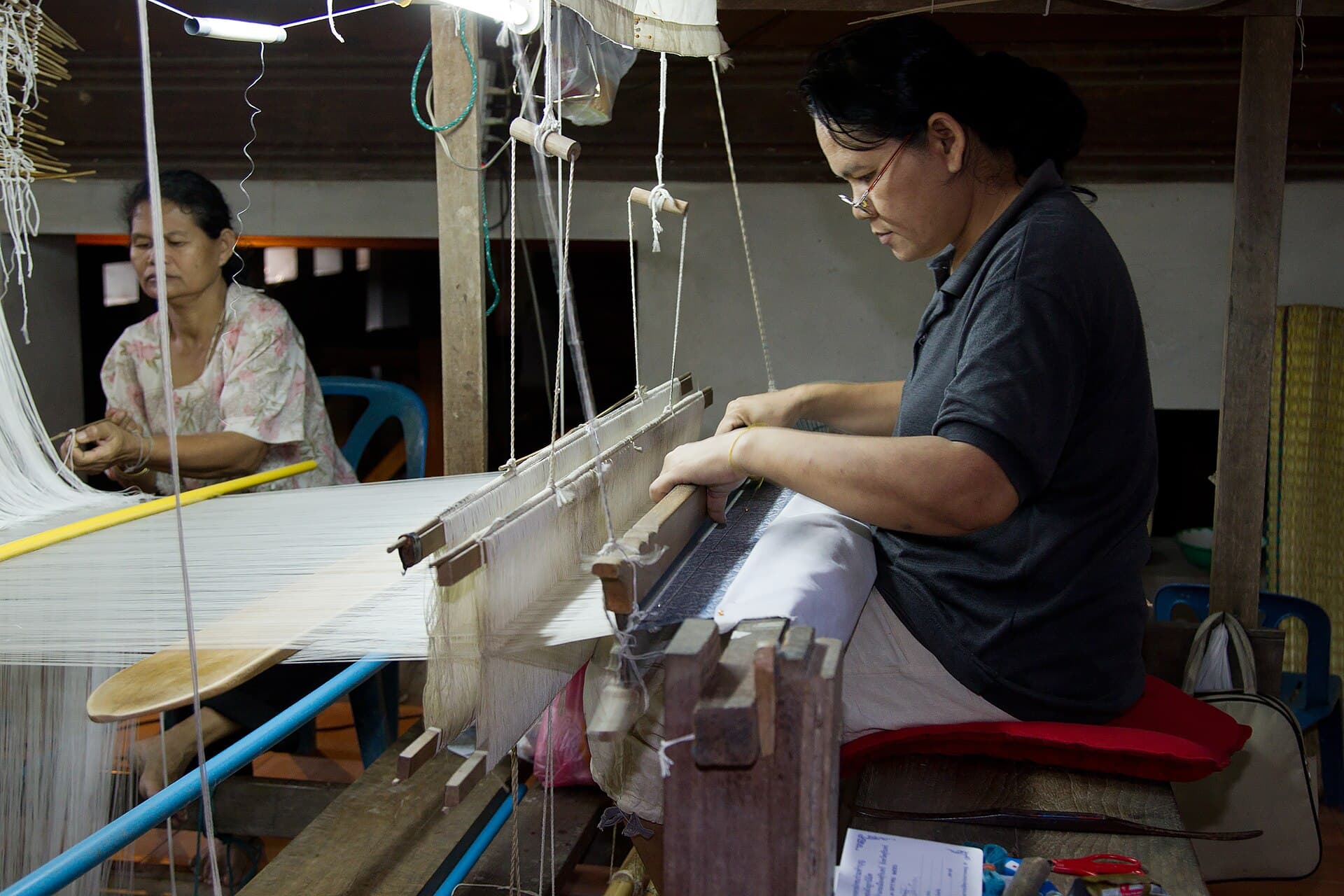
10–20% blends add a drier hand and moisture management without visible process changes — an easy first program.
Blends with organic cotton, Tencel, or modal produce knits with subtle luster and a biodegradable content claim.
More processing context lives on our applications page.
Key Benefits
Blending is a business decision as much as a technical one. These are the properties buyers actually pay for.
Ring, rotor, vortex — no new machinery, no separate production line.
Enzymatic cottonization keeps the chemical-safety profile clean for apparel.
The parent's 500–900 MPa tensile core carries into every blend.
10–40% blends typically price below equivalent 100% organic cotton yarn.
Waste-diversion origin, per-lot lab reports, documents your brand clients can audit.
A drier hand, subtle luster, and moisture management beyond 'organic cotton'.
Quality, Packaging & Export
Quality control runs the same way as our raw fiber program — predictable fiber is what keeps your frames running and your yarn counts on target.
Trade Terms
Sized for trial programs, not just containers — most mills complete the cycle from first email to running production within eight to ten weeks.
Lead time
2–4 weeks
from order confirmation or L/C opening
Payment
T/T 30/70
or 100% irrevocable L/C at sight
Shipping
FOB / CIF
Chattogram · ~18–20 t per 40' HC
Samples
0.5–3 kg
for spinning trials on your own frames
Planning volume pricing? Our wholesale page publishes indicative bands, and the banana fiber price guide explains exactly what moves the cost per kg.
FAQ
It is raw banana stem fiber that has been mechanically opened and enzymatically softened into a cotton-like staple. The process shortens the 1–3 m parent strands into a 28–38 mm, 15–35 micron fiber that behaves like cotton on the spinning frame — while keeping banana fiber's tensile strength and natural luster.
Keep Exploring
Ready to source?
Tell us your grade, quantity, and destination. We reply with specs, indicative pricing, and a sample plan — MOQ from 200 kg, samples from 0.5 kg.