Textile grade
Best for: spinning, fine weaving, premium yarn
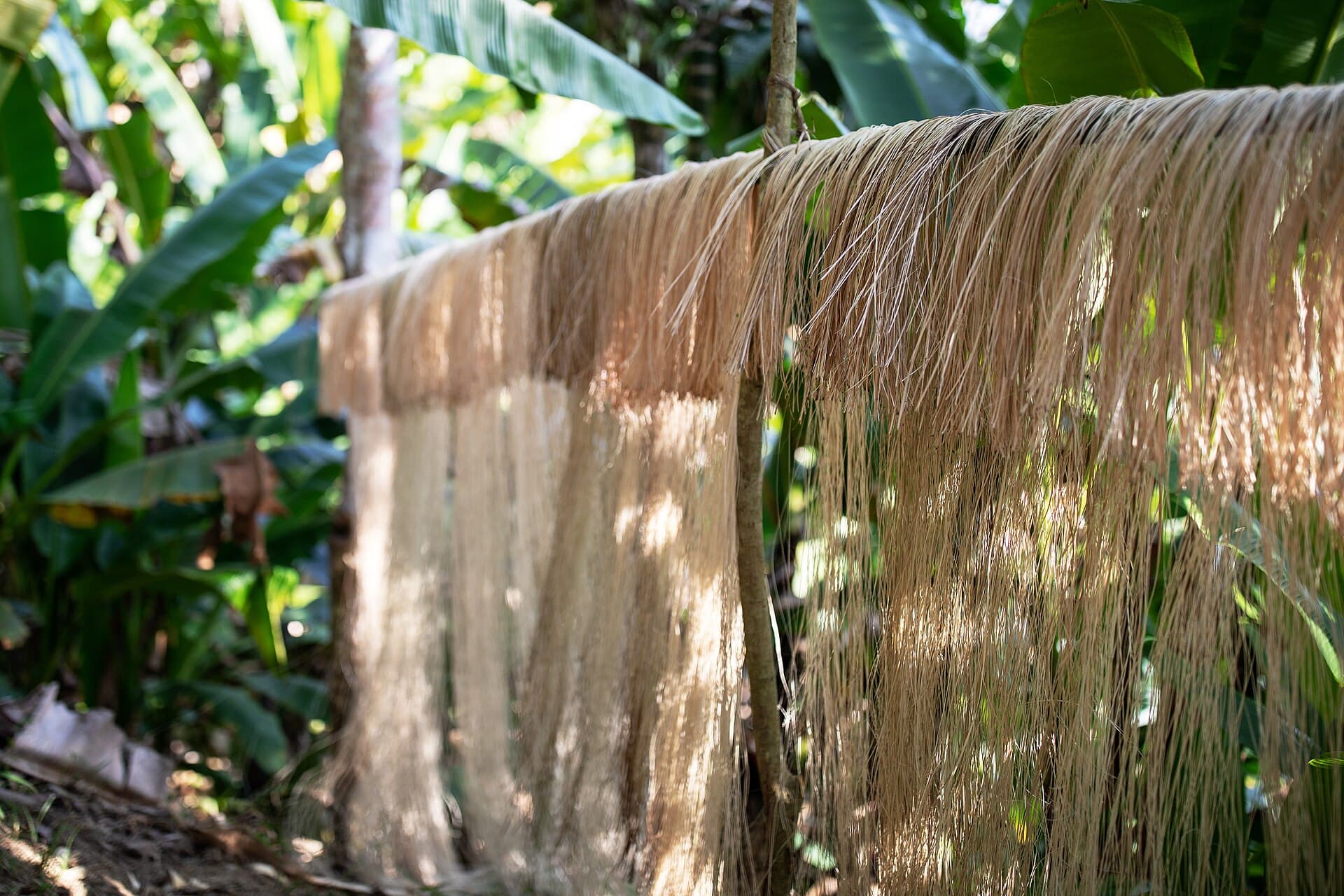
The longest, cleanest, most uniform strands — the grade mills blend into cottonized banana fiber for yarn production.
Technical Material — HS 5305
Export-grade raw banana stem fiber — 1–3 m strands, 500–900 MPa tensile, lab-tested per lot — produced at our factory in Modhupur, Tangail.
The Material
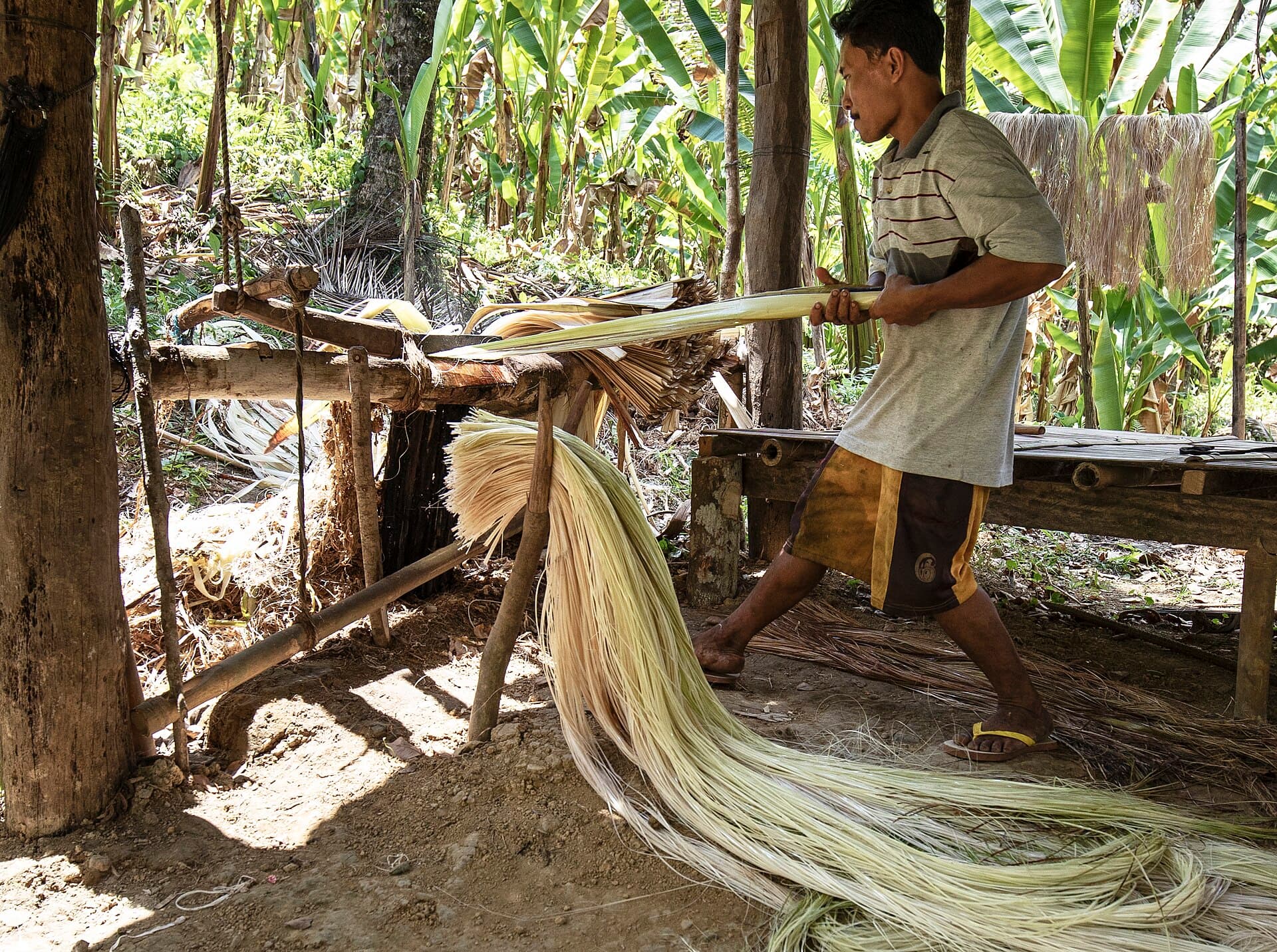
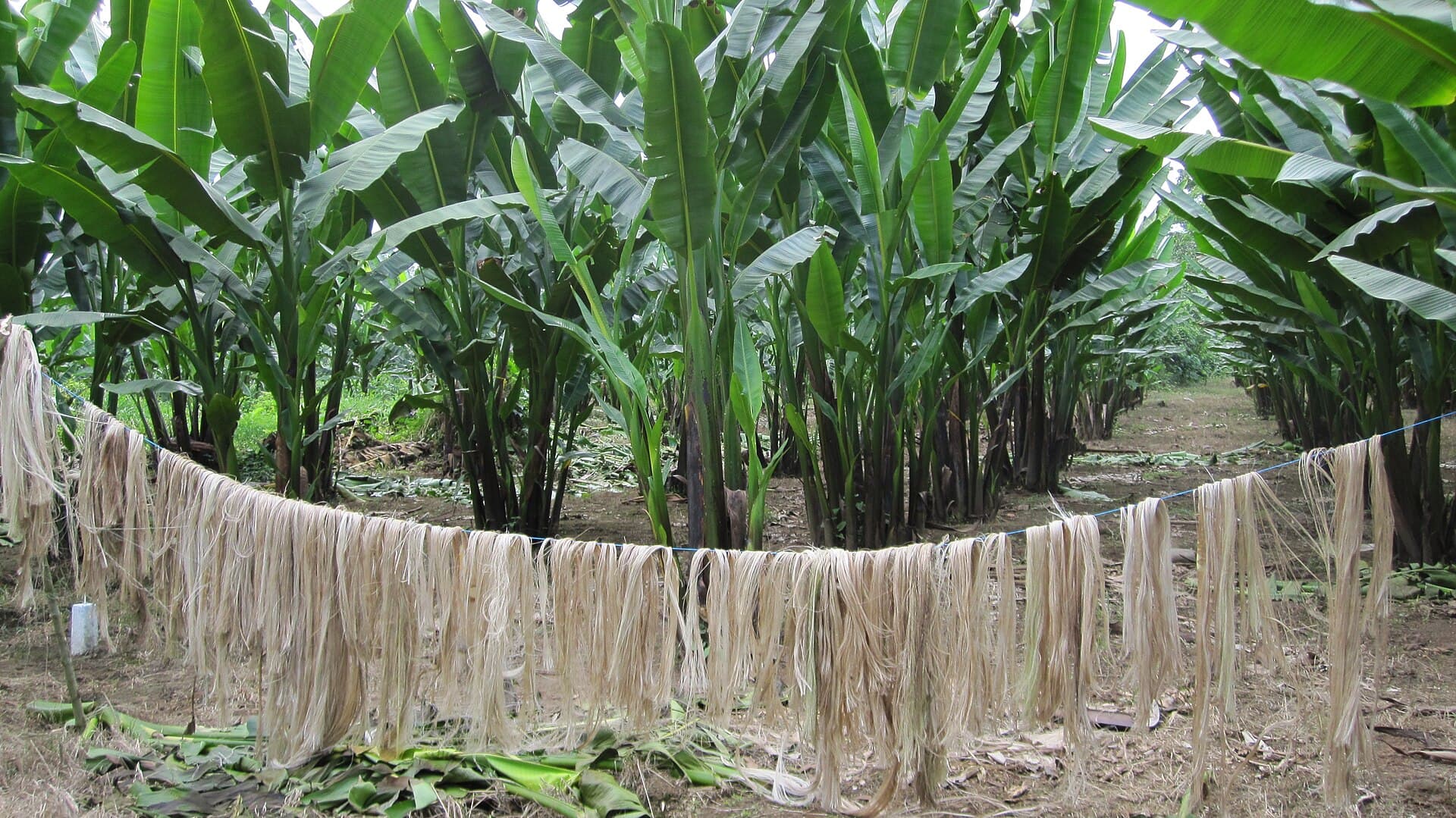
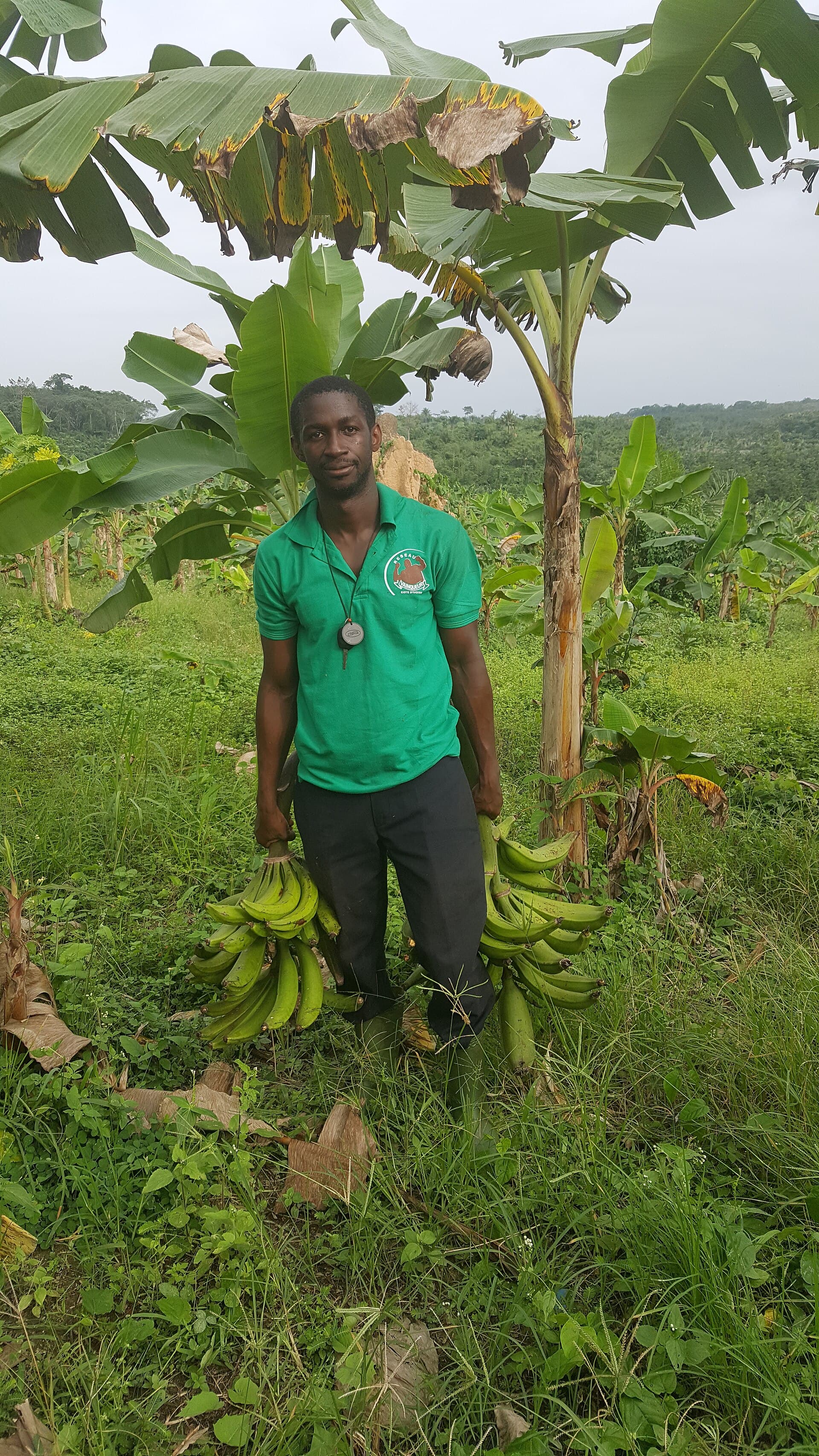
Every banana plant fruits once. After harvest the pseudostem — meters of layered, fiber-rich leaf sheaths — is usually discarded. We turn that waste stream into one of the strongest natural fibers available to industry.
At a Glance
Production specs from our factory in Modhupur, Tangail, verified per lot. Need a parameter tested that is not listed? Per-lot ISO/IEC 17025 accredited lab reports (Hohenstein) are standard, not an upsell.
Fiber yield is roughly 5–8% of fresh pseudostem weight; the remaining biomass is composted back to the soil — about 190 t of agri-waste diverted across our ecosystem each year. See the full farm-to-fiber process or compare our other natural fibers.
Harvest Season
Pseudostems are collected from surrounding farms within days of harvest, washed without chemicals, and graded strand by strand — one mill, one standard, one accredited lab report per lot.
Available Grades
Most suppliers blur grades to move volume. We separate at the mill so each bale matches its end use — and you never pay Textile-grade prices for Industrial-grade fiber.
Best for: spinning, fine weaving, premium yarn
The longest, cleanest, most uniform strands — the grade mills blend into cottonized banana fiber for yarn production.
Best for: weaving, baskets, décor, furniture webbing
Consistent medium strands with the natural golden sheen intact — the hand-feel grade for studios and artisan brands.
Best for: rope, cordage, paper, composites
Shorter, cost-efficient strands with the same 500–900 MPa tensile core — where unit economics decide the project.
Key Benefits
The fundamentals mills and brands actually test for — stated as numbers, backed by per-lot lab reports.
500–900 MPa tensile — comparable to abaca — at a Bangladeshi cost point.
Clean water only, preserving luster and keeping chemical-safety tests clean.
Pseudostems after fruit harvest — zero dedicated arable land, fully biodegradable.
Every lot tested at an ISO/IEC 17025 accredited lab (Hohenstein); reports ship with documents.
Dried to 10–12% regain before baling — no mold in transit, no water sold as fiber.
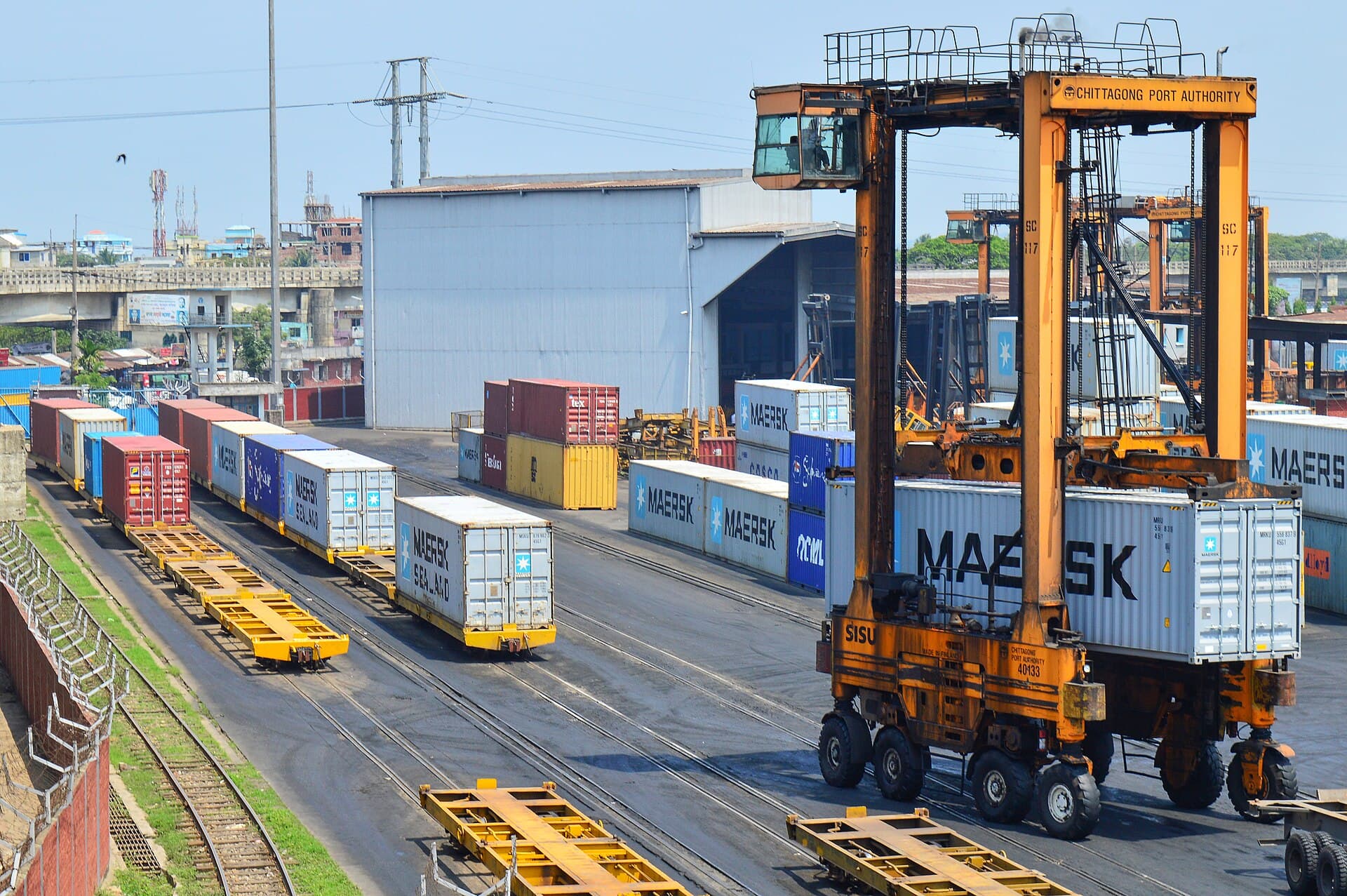
~18–20 t per 40' HC from Chattogram, with export documents handled weekly.
Extraction Process
The same checklist our fiber passes before baling — the same one your incoming-QA team can verify against the documents shipped with every lot.
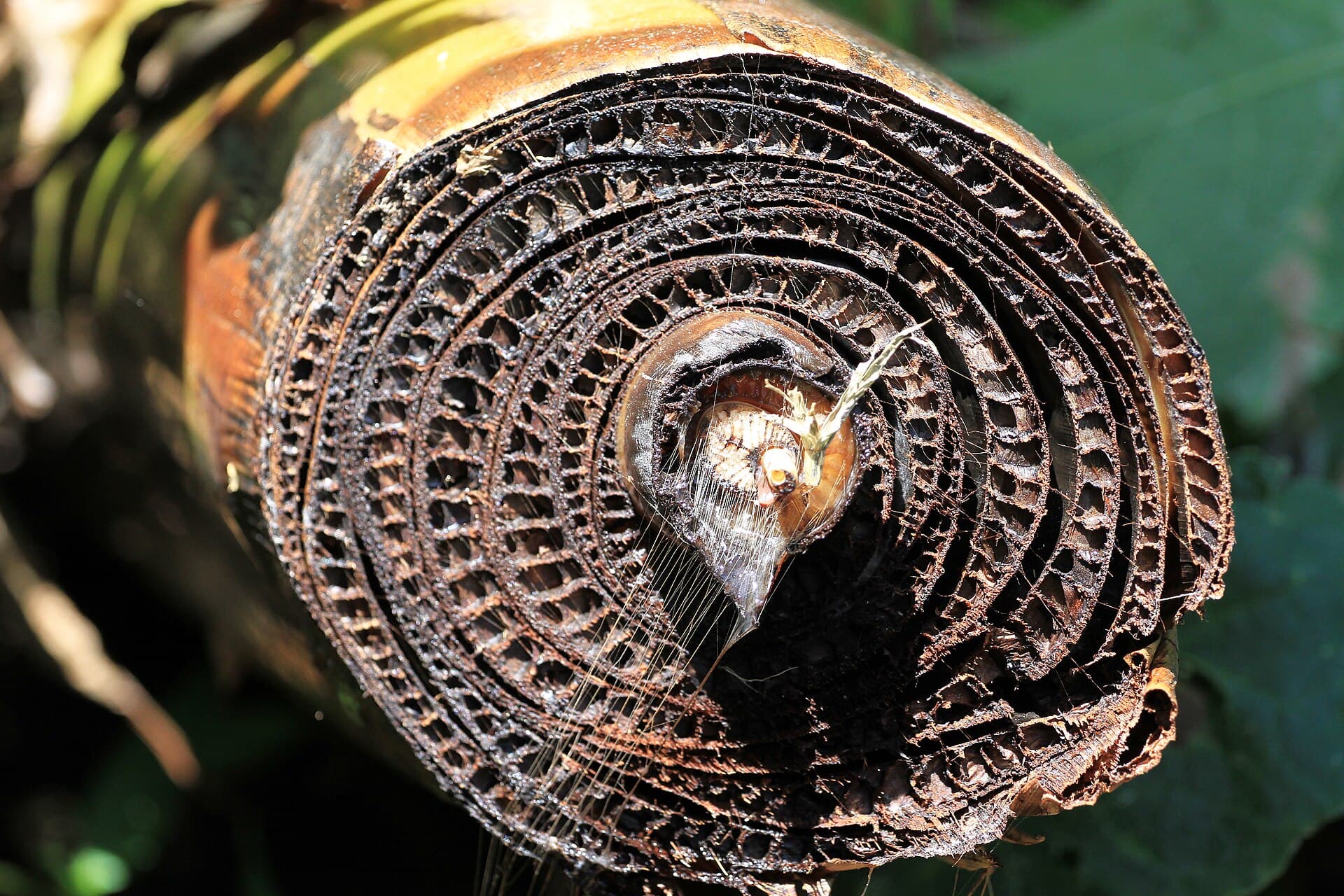
Stems are cut within days of fruit harvest, while the fiber is hydrated and strong — never from over-aged or storm-damaged plants.
Fresh pseudostems pass through decorticators that strip the long strands — no chemical retting agents at any stage.
Strands are washed in clean water and dried to a controlled 10–12% moisture regain, protecting luster and bale weight.
Trained sorters separate Textile, Craft, and Industrial grades strand by strand, then compress into 25, 50, or 100 kg bales.
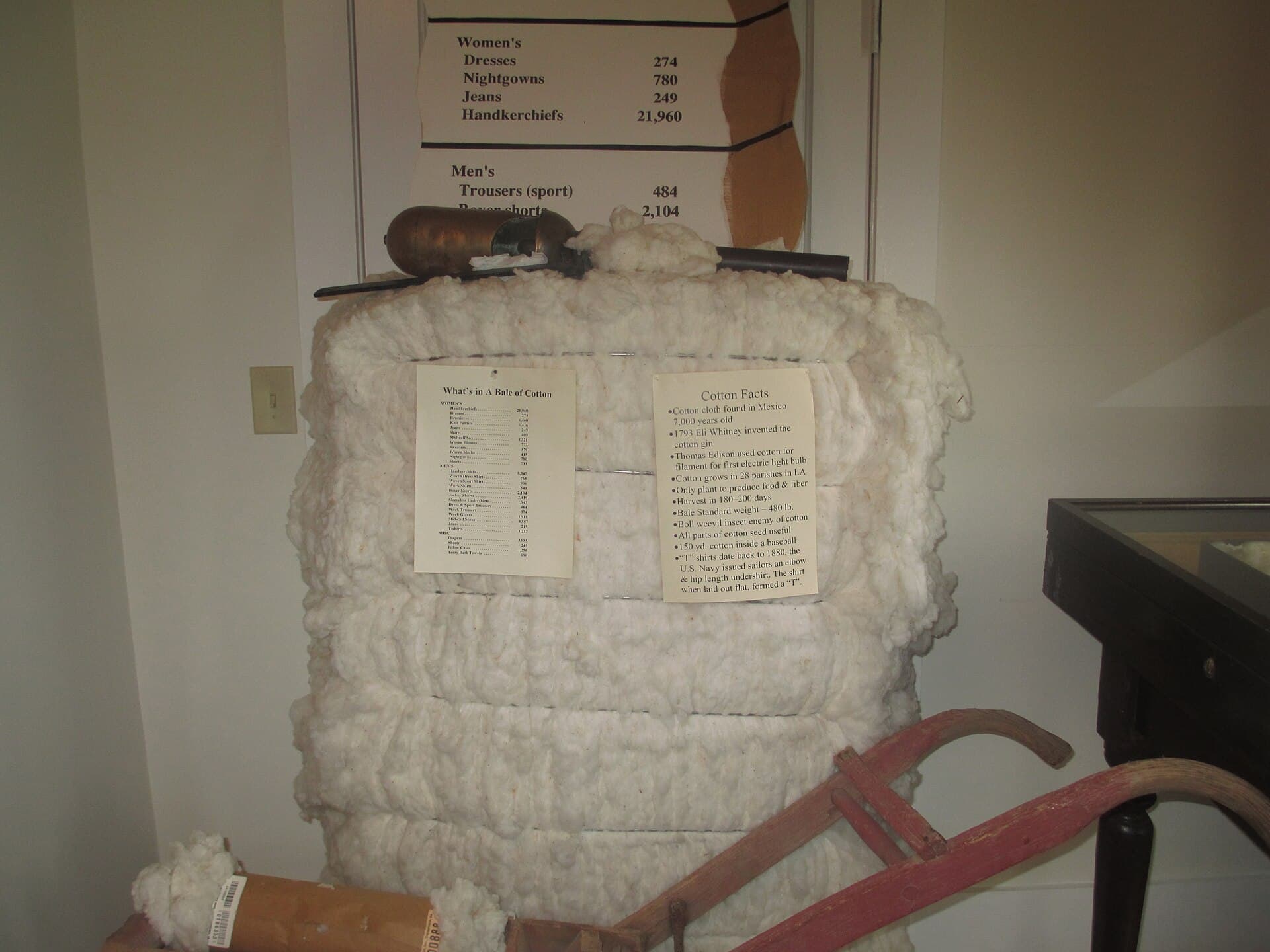
Each lot is sampled for tensile strength and chemical safety at an ISO/IEC 17025 accredited laboratory before it ships.
Processing notes for every stage live on our process page — from farm-gate collection to container loading at Chattogram.
Use Cases
Four established demand channels, one fiber — each with processing notes on our applications library.
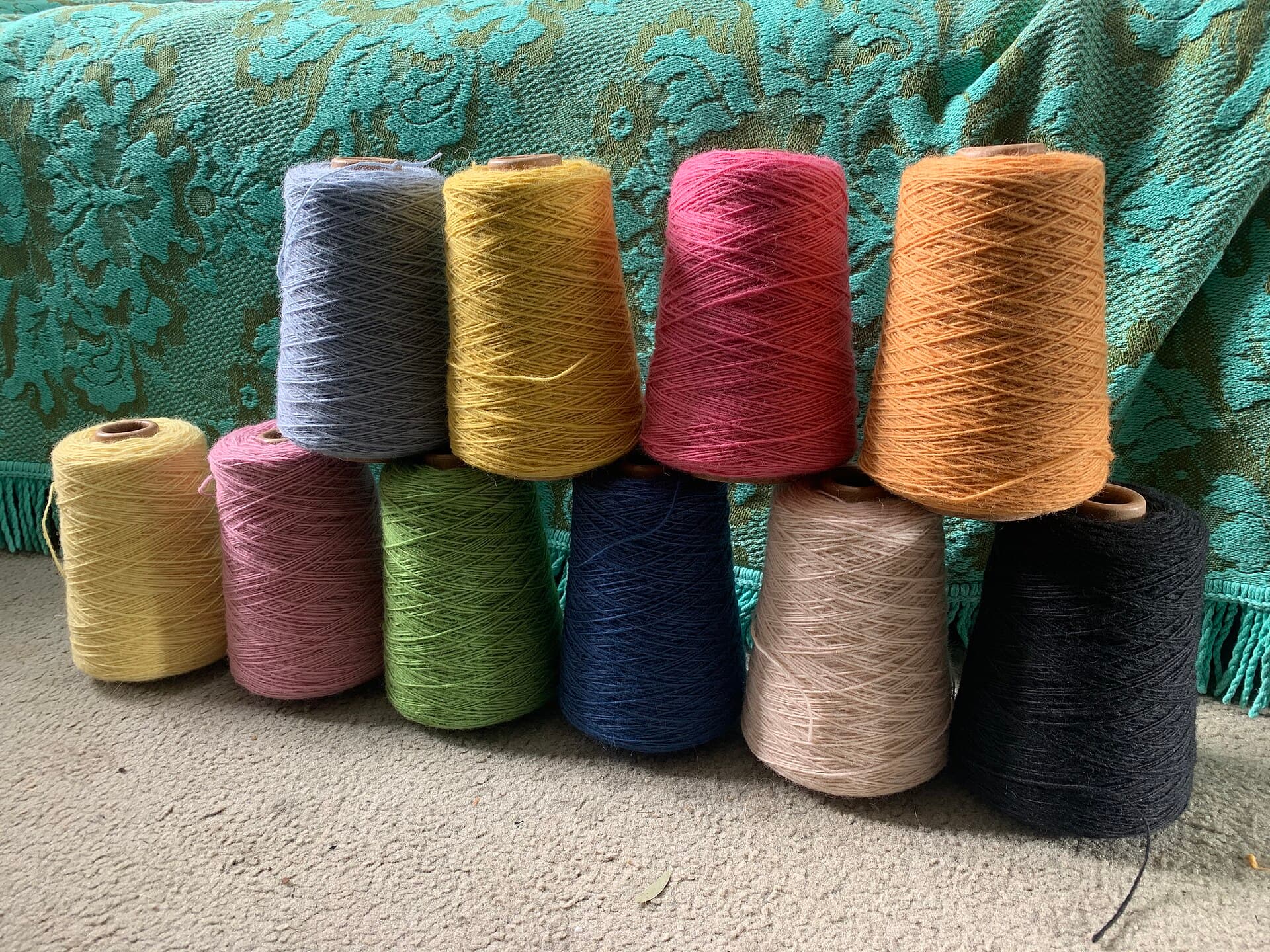
Long Textile-grade strands move to spinning — or via our cottonized banana fiber for ring, rotor, and vortex systems.
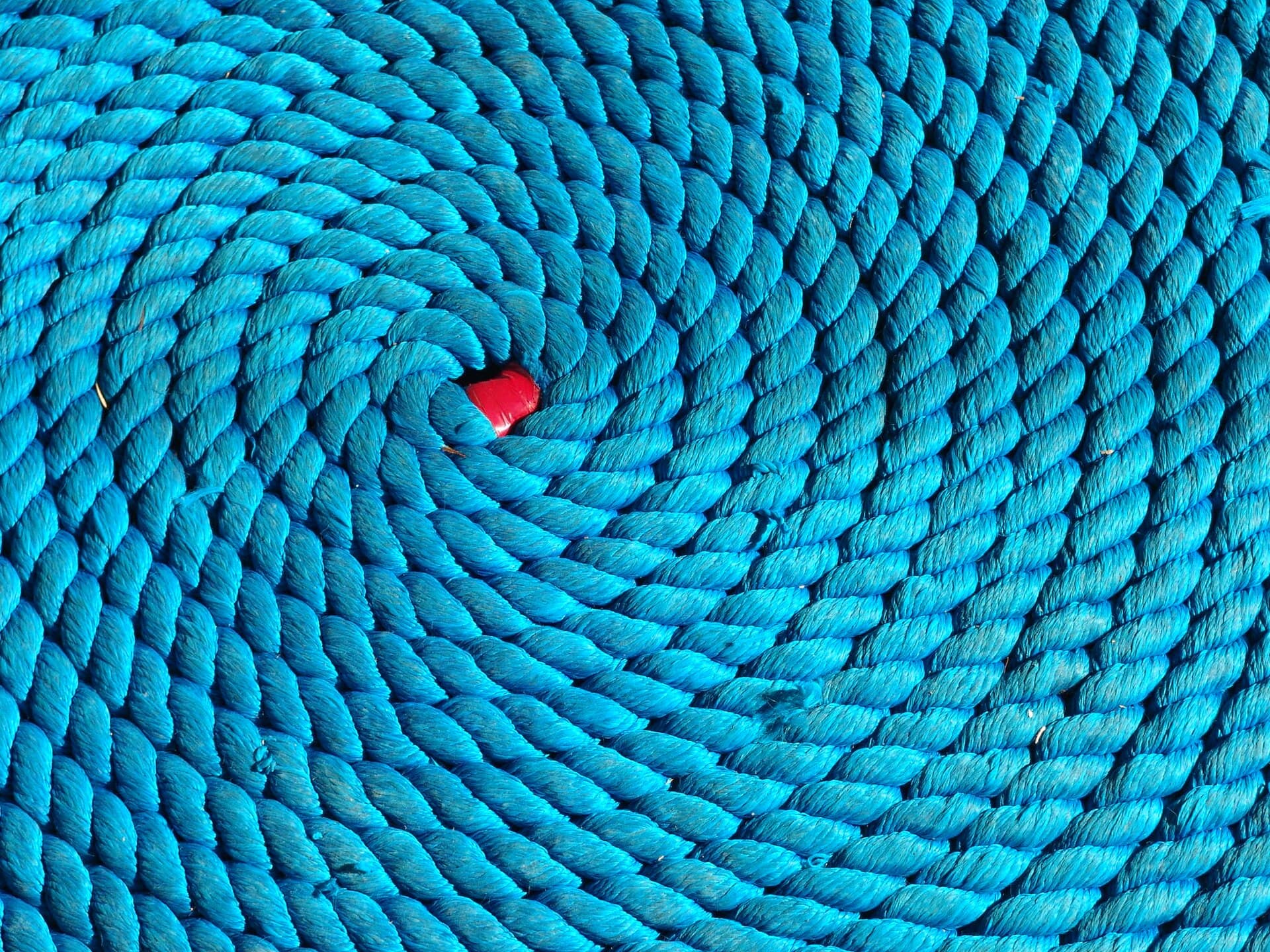
High tensile strength and low elongation make it a proven reinforcement for ropes, twines, and marine cordage.
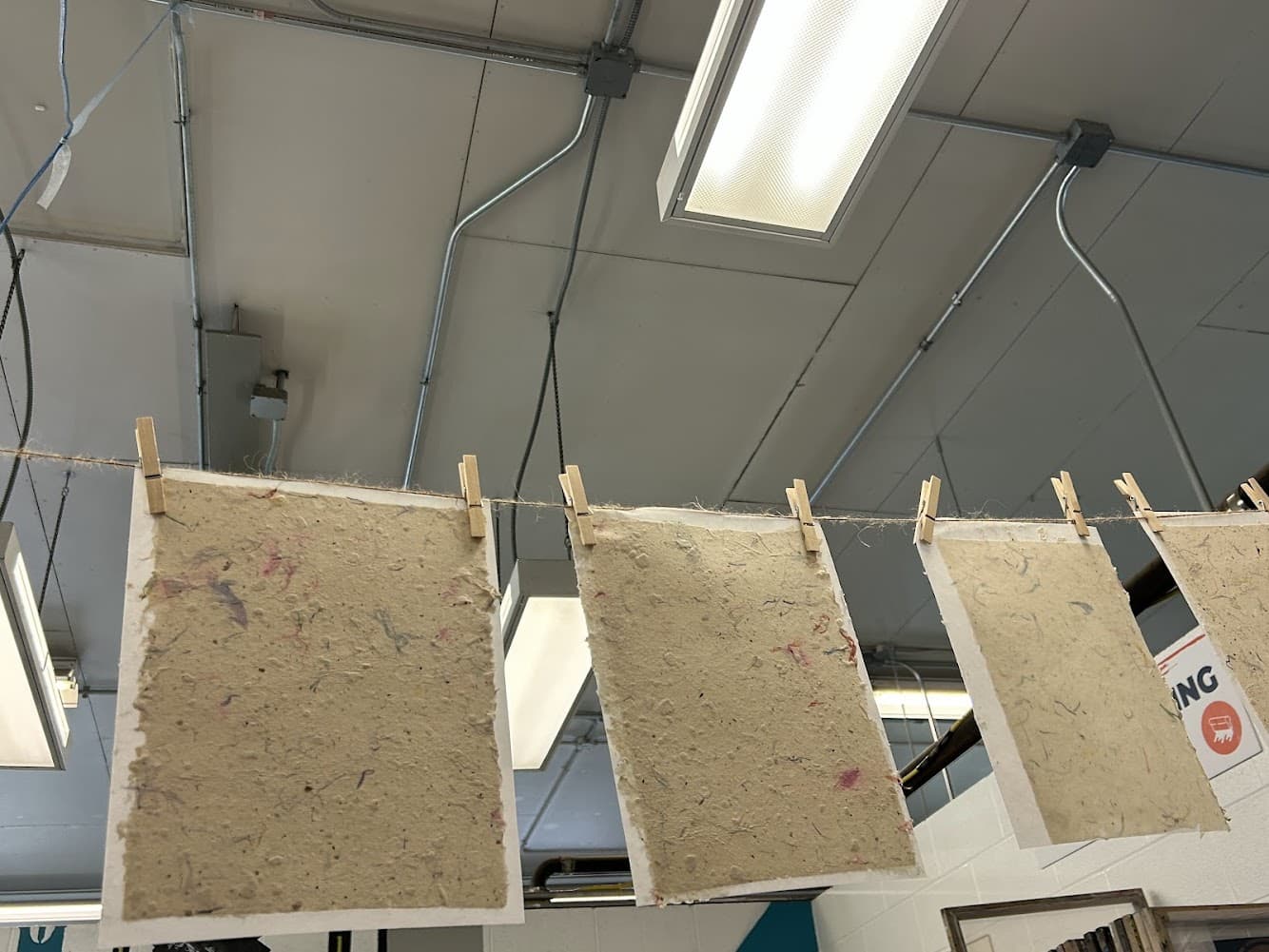
Industrial-grade fiber adds tear resistance to handmade, currency-grade, and archival papers and packaging boards.
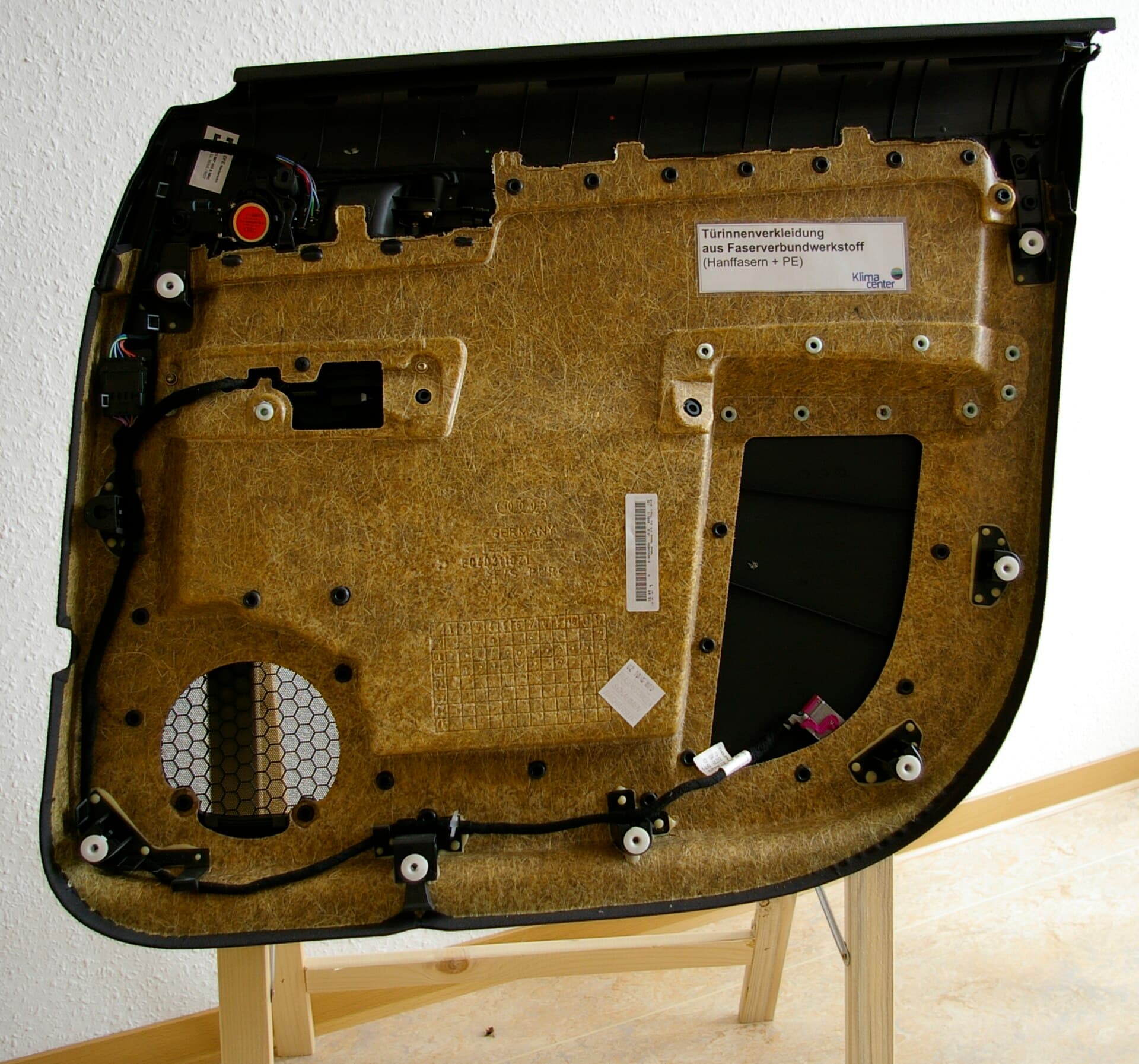
A lightweight, biodegradable reinforcement for automotive trim, panels, insulation, and geotextiles.
From spinning parameters for mills to pulping guidance for paper makers — explore every use case on the applications page.
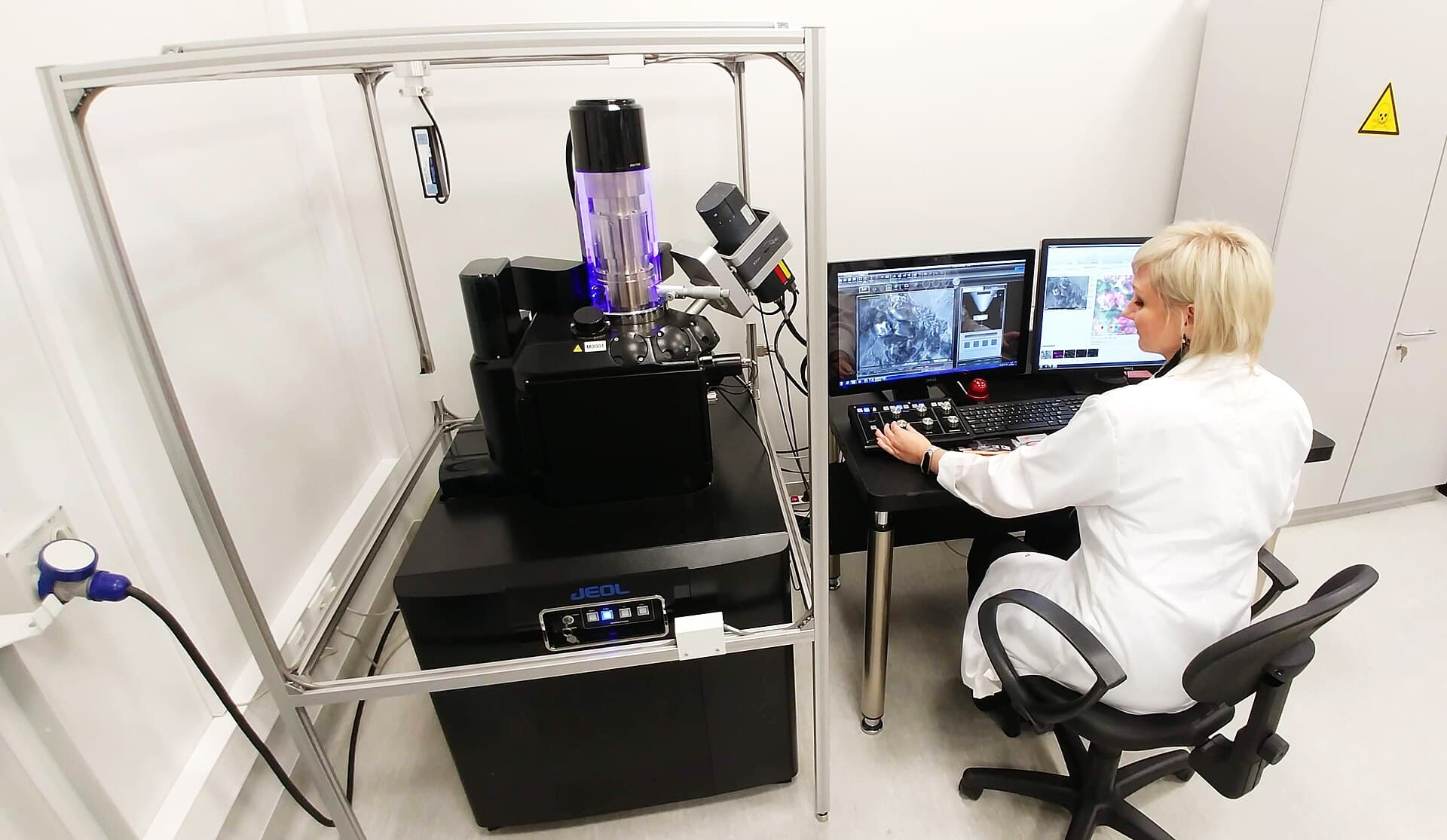
Quality & Testing
Every production lot is sampled for tensile strength and chemical safety at an ISO/IEC 17025 accredited laboratory (Hohenstein). The report ships with your export documents — your QA team reviews real numbers, not brochure claims.
If a lot misses the fineness, moisture, or cleanliness window, it is held at the mill — it does not ship. Consistency between lots is what keeps your production running.
Packaging & Export
Compressed bales of 25, 50, or 100 kg — custom packaging for orders above 500 kg — loaded at Chattogram with a full document set.
Trade Terms
Import planning needs numbers, not negotiations about numbers. This is how every banana fiber order runs.
Lead time
2–4 weeks
from order confirmation or L/C opening
Payment
T/T 30/70
or 100% irrevocable L/C at sight
Shipping
FOB / CIF
Chattogram · ~18–20 t per 40' HC
Samples
0.5–3 kg
by international courier, before you commit
Indicative price bands are published on our wholesale page — and the banana fiber price guide explains exactly what moves the cost per kg.
Complete Terms
The four headline numbers above, plus everything a procurement team needs to plan an import: documents, lab reports, container loads, and transit times — published rather than negotiated.
FAQ
The questions our sales team answers most — specifications, sampling, shipping, and sustainability.
Banana fiber is a natural bast fiber drawn from the pseudostem of the banana plant — the layered trunk that remains after fruit harvest. Our factory in Modhupur, Tangail decorticates fresh pseudostems mechanically and washes the strands without chemicals, then sun-dries and grades them. Fiber yield is roughly 5–8% of fresh pseudostem weight; the remaining biomass returns to the field as compost.
Keep Exploring
Ready to source?
Tell us your grade, quantity, and destination. We reply with specs, indicative pricing, and a sample plan — MOQ from 200 kg, samples from 0.5 kg.