Sustainability
Is banana fiber sustainable? Here is the audited math.
The honest answer: banana fiber and pineapple leaf fiber are among the most sustainable textile inputs on the market — when the processing matches the claim. Ours does, and we publish the numbers to prove it. Biodegradable, chemical-free, and circular by design, verified lot by lot.
Green impact dashboard
The numbers behind the claim
Everything below is measured at our factory in Modhupur, Tangail — not modeled, not estimated, not averaged from industry reports.
- 0 t/yr
- Agri-waste diverted
- Banana pseudostems and pineapple leaves collected from Tangail farms instead of being burned or left to rot.
- 0%
- Biodegradable
- Pure cellulose — no synthetic polymers, coatings, or microplastic legacy at end of life. Breaks down in soil like any plant matter.
- 0
- Chemical discharge
- Mechanical decortication and enzymatic cottonization — no acids, alkalis, bleaches, or retting ponds in the process line.
- ~0 t
- Per 40' HC container
- Dense compressed bales make sea freight per kilo of fiber modest — low-carbon logistics versus light, bulky cargo.
- 0
- Arable land used
- The raw material is a by-product of existing food crops. No irrigation, no fertilizer, no food-versus-fiber trade-off.
- 0 t/yr
- Compost returned
- Every scrap of decorticated pulp goes back to Tangail fields as compost, closing the nutrient loop.
Water usage stays low by design: mechanical decortication uses clean wash water only — no retting ponds, no dye baths, no chemical softening — a fraction of the water footprint of irrigated cotton grown on dedicated land.
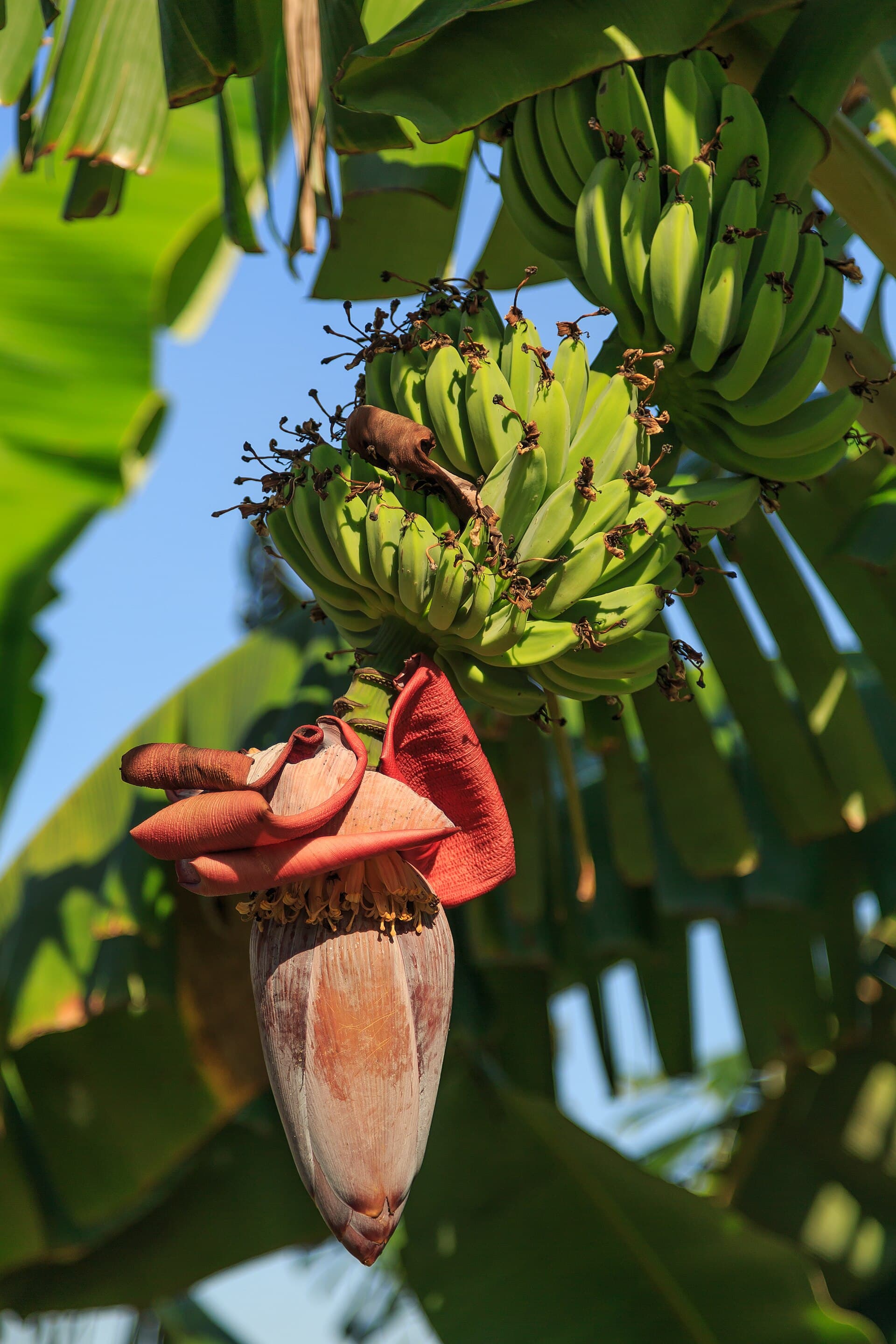
Circular by design
A pseudostem that would have been burned in a Tangail field becomes a lab-tested, 500–900 MPa natural fiber in your mill — and the pulp that came off it feeds the next crop.
Nothing burned · nothing landfilled · nothing synthetic
Why the material itself helps
Biodegradable by chemistry, not by promise
- Banana fiber and PALF are cellulose — the same structural polymer as cotton and linen. Left in soil or compost, they break down through ordinary microbial action.
- There are no synthetic polymers in our fiber, no plastic coatings, and no microplastic legacy when a rope, geotextile, or composite part reaches end of life.
- Compare the materials these fibers displace: polypropylene rope, fiberglass reinforcement, synthetic geotextiles, petroleum-based leather alternatives — each persistent plastic. Our fiber outperforms many of them on spec while leaving nothing behind.
- Because the raw material is farm waste, the land-use footprint is zero — the difference between a circular material and a merely plant-based one.
Chemical safety
Verified, not asserted
“Natural” does not automatically mean clean. Every production lot is sampled for testing at an ISO/IEC 17025 accredited laboratory (Hohenstein) — covering tensile performance and chemical safety. The reports ship with your order.
Verified today
- 190 t/yr waste diverted; 38 t/yr fiber; 152 t/yr compost — measured at the mill, batch by batch
- Chemical-free mechanical decortication — no acids, alkalis, or retting ponds in the process line
- ISO/IEC 17025 accredited lab testing (Hohenstein) for tensile strength and chemical safety, per lot
- 9–12% controlled moisture specification — stability without mold inhibitors
Roadmap — in progress
- OEKO-TEX certification — in progress; target 2026
- GOTS-compliant handling for organic cotton blend lines
- Solar-assisted drying to cut oven energy use
- Published annual impact report with third-party review
Claiming certifications we do not yet hold would be greenwashing — this page exists to avoid exactly that.
Beyond carbon
People and prosperity, tracked on the same ledger
Environmental metrics only tell half the story.
- The collection network pays Tangail farmers for pseudostems and leaves that previously had zero value — a second income from land they already farm.
- At the mill, fiber preparation and grading provide steady rural employment, and a significant share of those roles are held by women from surrounding villages.
- Open burning is a real health issue in rural Bangladesh — every tonne we collect is a tonne not smoldering beside a farmhouse.
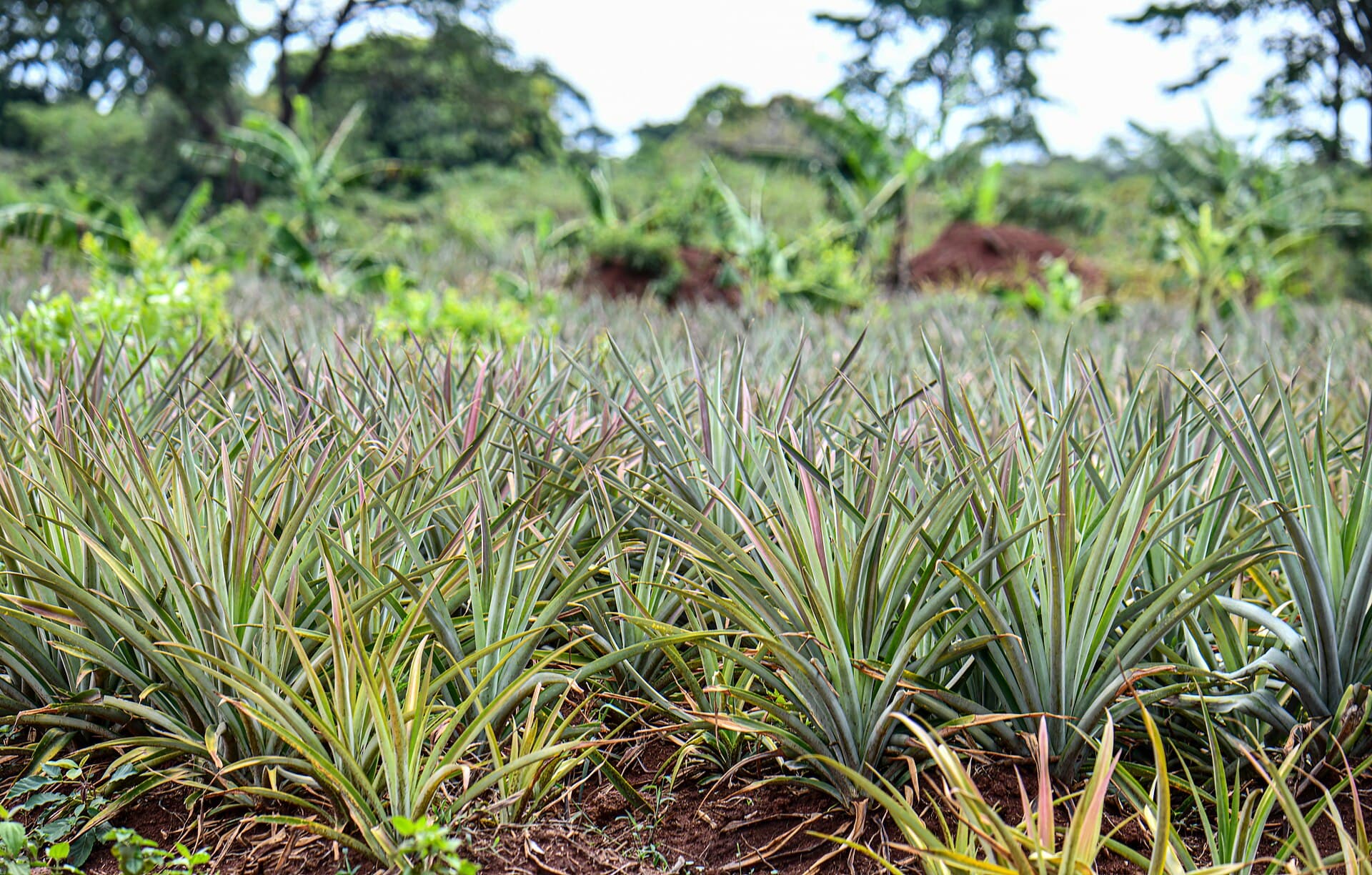
Modhupur, Tangail
One field, two incomes: fruit for the market, fiber for export
Global goals
The UN SDGs our model serves
Circular fiber is not a charity project — but it advances five Sustainable Development Goals as a direct consequence of how the mill operates.
SDG 9
Industry, Innovation & Infrastructure
Mechanical decortication and enzymatic cottonization bring modern, chemical-free processing to a rural agricultural district.
100% mechanical process line
SDG 11
Sustainable Cities & Communities
Diverting 190 tonnes of farm waste a year eliminates open burning and its local air-quality burden.
190 t/yr not burned
SDG 12
Responsible Consumption & Production
A circular by-product supply chain: waste in, fiber out, compost back — with per-lot lab verification.
Per-lot ISO 17025 verification
SDG 13
Climate Action
Biodegradable fiber displaces synthetic reinforcement and avoids methane from rotting biomass.
0 synthetic polymers
SDG 17
Partnerships for the Goals
Fair purchasing from smallholder farmers and women employment in fiber preparation and grading.
2 income streams per farm family
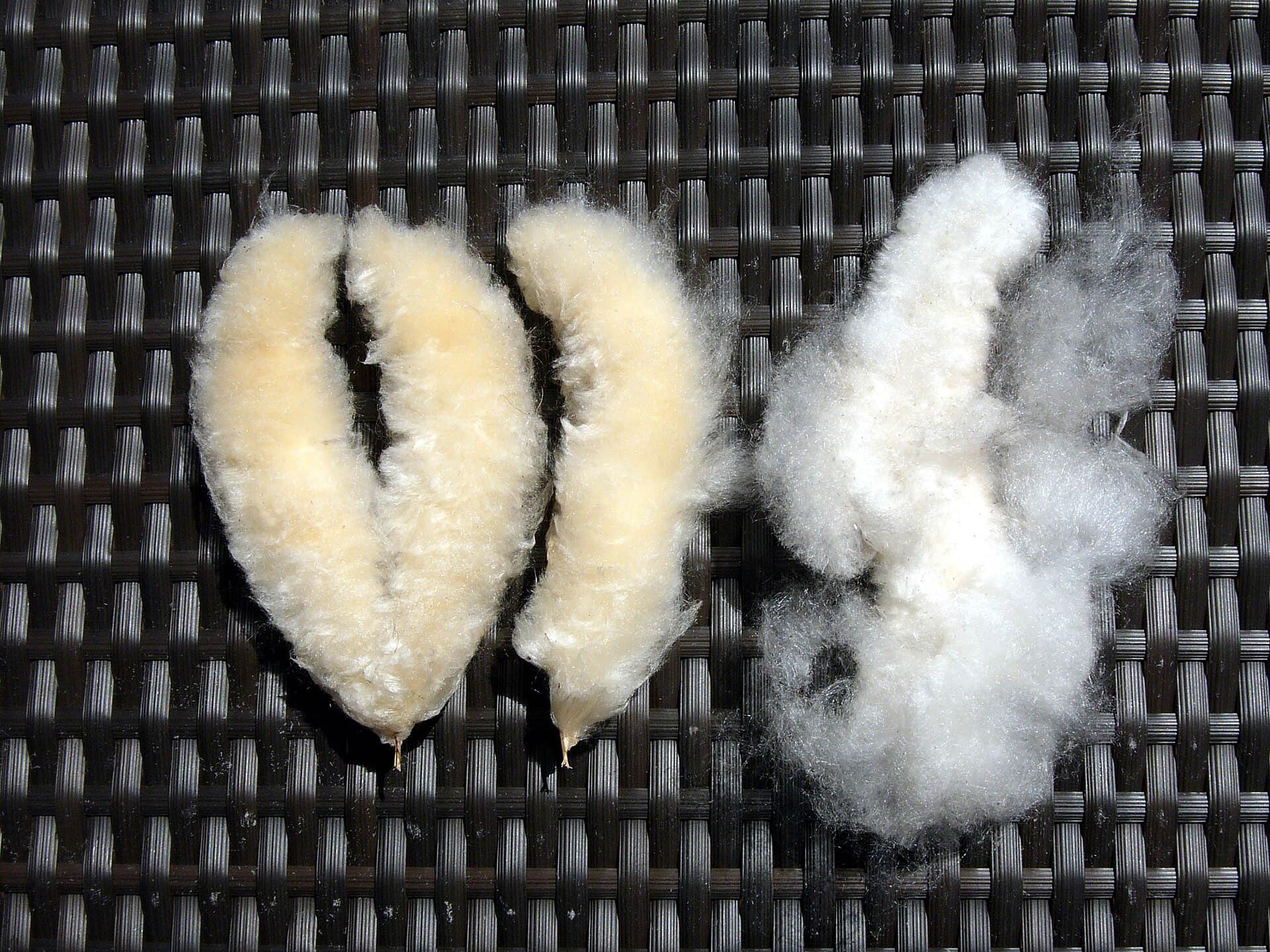
End of life
Compost, not landfill
What happens when the product wears out is the test most materials fail.
- A rope, geotextile, or blended garment made from our fiber ends its life as plant matter: compostable through ordinary microbial action.
- Geotextiles are the clearest case — they stabilize a slope while plants establish, then decompose into the soil they were protecting. No retrieval crews, no microplastics.
- Even the production by-product is compost: ~152 tonnes of nitrogen-rich pulp return to Tangail fields every year, where the next banana plant grows from it.
The sustainability claim, in one paragraph
A banana pseudostem that would have been burned in a Tangail field becomes a lab-tested, 500–900 MPa natural fiber in your mill; the pulp that came off it becomes compost on the same farm; nothing synthetic enters or leaves the loop; and every tonne is documented with an ISO/IEC 17025 accredited report. That is what "biodegradable natural fiber" looks like when the claim survives an audit. See the full production story on our process page, or compare the two materials in our pineapple vs banana fiber guide.
Ready to source?
Get a written quotation within 24 hours
Tell us your grade, quantity, and destination. We reply with specs, indicative pricing, and a sample plan — MOQ from 200 kg, samples from 0.5 kg.